
Workshop Experience : Photography Studies College Week #6

We are in full swing now as the course gets in to Week 6. This week we covered subject awareness and panning techniques, as well as looking at the concept of The Frame and the principles and elements of design. Enjoy.
Week 6 and the course is in full swing now. Expectations are higher on the amount of shooting we should be doing outside of class and some of us are feeling under the pump in a few areas.
For the Wednesday night session with Scott we kicked off by discussing Subject Awareness and the differences between Interpretative and Representative images. Scott used one of my fellow students images of last week as a good example of interpretative - a factory reflection in a puddle from above, followed by a view of the factory from the puddle location perspective. Nice one!
“The whole point of taking pictures is so that you don’t have to explain things with words.”
We then looked in to a few differing photographers and their use of subject awareness. We looked at Rodchenko and his blending of drama and design through the use of off-axis (tilt) positioning.
We also looked in to Edward Weston and his amazing use of vegetables and shells, shadow and light to produce humanistic sensual forms. Hadn't come across Edward before this and found it really interesting blending of still life and portraiture.
Our image review session this week was simply any 5 images we wanted to submit. I thought I would try and follow the theme of our end result portfolio of 7 images each in the 4 categories of Landscape, Portrait, Still Life and Personal Expression. I ended up submitting the following 2 Landscapes, 2 People shots and a single Still Life attempt.


Everyone is really starting to shoot improved images although you still find yourself going back one step before progressing. Great process though in incremental steps..
We then discussed the panning technique and its value showing movement and pace to images. Our tutor Scott showed us a few he had taken recently and one was a cracking school of fish shot with the head fish crisp and the rest blurred din motion, shot at the local aquarium. Solid work.
And that has now become our assignment for this week - a few random panning shots as good as we can get.
For what it is worth, the general settings to get a good image are the following, but it takes a lot of adjustment and trail and error !
- 1/15 to 1/30 kids moving around (good luck)
- 1/30 to 1/60 for a push bike rider
- 1/60 to 1/125 for a car at slower speed
- and 1/80 to 1/250 for a fast moving car or motorbike etc
- use zone focussing for a rangefinder else single focus point for your quick digital camera
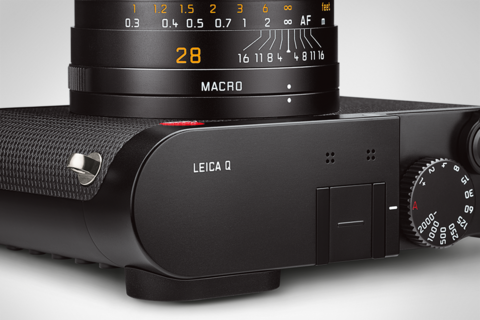
- a pretty wide lens makes it a lot easier - I am using the Q @ 28mm
- set ISO and aperture to get the right EV
- physically try and twist yourself towards where the object is coming from, such that as you pan and they go past you, you end up in a normal balanced stance with your camera
- use single or continuous shot (purists will say only use the single shot!)
- and plan to press the shutter release when the object is directly in front of you for maximum effect, the object being to try an get one aspect of the image sharp whilst the rest is blurred showing motion
- and practise as much as you can - as I need to do !
Then on to the Thursday night sessions where we are exploring the creative and composition areas of art and photography, and this week it was all about The Frame - this little rectangle we photographers try and represent the world we see through.
We talked about the Principles and Elements of Design, where the principles are the concepts behind what we are doing, and the elements are more the tools we use to express it. We focussed on a simplified set of principles, being B.U.R.P.E. :
Balance, the visual equilibrium of the frame
Unity, referring to the coherence of the whole; ties it all together
Rhythm, the timed movement through the space
Proportion, the relative size and scale of all the elements in the frame
Emphasis, the point of focus or interruption; where the viewer is drawn
We then as group discussed the elements of design, with particular focus on :
Placement, Lines, Weight and Cropping
For Placement, we looked at works from Francesca Woodman and Guy Bourdin and discussed the placements of subjects in the frame, be they symmetrical, edge of frame or extreme edge of frame.
For Lines, we discussed the difference of horizontal lines (restful, death, peaceful, etc) versus vertical lines (power, growth, etc). For Weight, we spoke of if the subject is at the bottom of the frame, it implies heavy and if at top, weightless. Alignment refers t the stability of the frame and then finally Cropping is all about whether the frame is Open (more things happening outside of the frame) or Closed (all information is contained within the Frame).
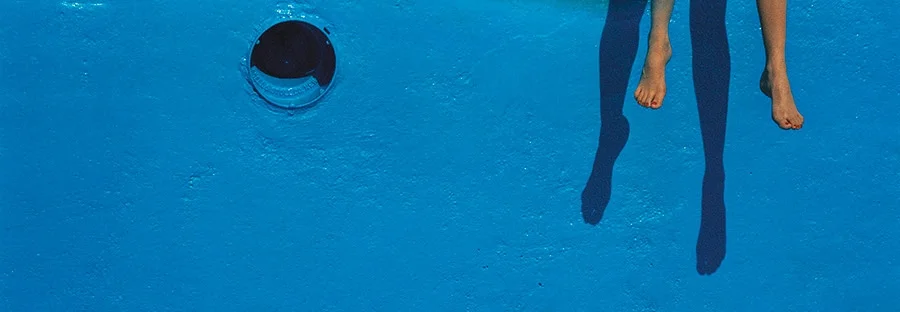
Image by Guy Bourdin
All really interesting and inspiring and gives deep insight in to why some images or a lot better than others!
Our assignment from Lucia for next week is to present in some images that explore these 4 elements of design.

Workshop Experience : Photography Studies College Week #5

Started a new stream of sessions around Composition and Frame this week, along with more Digital Lab time to get the workflow going in the right direction.
Busy busy week this week. Kicked in with an extra stream of a 3 hour/night weekly session that will last for 8 weeks, focussing solely on Composition and Creativity. So its twice a week for September and October we go !
We continued our original stream in the Lightroom digital lab, going deeper into Black and White points, tonal adjustments, and some more detailed catalog techniques. All good refresh stuff and you always pick up some new and helpful tips as you go over ground again. The one thing about LR and catalog techniques is that you can always improve !
We also presented our 3 images that were to show our Awareness Walk - 2 images of perspective and 1 exploring textures. I must say I struggled to interpret even this fairly basic exercise well enough and got lost in the execution a bit... but its all a learning experience and thats what we do workshops for, so onwards and upwards we go.

Awareness Walk Lygon St Carlton, Leica Q, ISO400, 1/250, f3.2,
Our tutor for the additional stream is Lucia Rossi and if the first session is anything to go by, we are all going to be in for a fun and creatively wild ride. Lucia got us from the start talking about Artfulness vs Art, and how we actually clarify what Art is.
Cy Twombly, "The Italians", 1960
We then set about understanding how you go about deconstructing an image (to the point that you wouldn't normally do it to every image you see!). The categories we used to "analyse a frame" are around Form (covering Medium, Style, Design) and Content (covering Literal meaning, Symbolic, and overall Metaphoric).
We practised on a Sandy Skoglund image "Radioactive Cats" which was great and I will not fill out the categories here as there are plenty of interpretative papers on the net exploring this work if you want to follow it up. Needless to say it was great exercise in deconstructing an image that has impact and multiple levels of subjectivity.
Lucia urged us to keep a log and a visual diary of image and ideas that inspire us from now, and that we would then analyse and discuss in the class as we go along. The next 7 weeks will focus one week each on the areas of The Frame, Frameworks, Colour, Shape and Form, Tone and Value, Rhythm and Movement, and Space and the Picture Frame.
Off we go again, this time down the creative and composition path!

Workshop Experience : Photography Studies College Week #4

Week #4 has rolled on and in the technical part we were all about the exposure triangle and DOF indetail. Then we reviewed some random shots for feedback, and we also got our full course portfolio assignment !
This week we all got stuck in to understanding the exposure triangle in more detail, with a particular focus on DOF and Hyperfocal focussing. Control of the focal plane is critical in producing the style of photo that is in your head, and using DOF and Hyperfocal techniques irrespective of the lens you use is paramount.
Its also very handy when you have a camera that has the DOF markings on the lens ! #loveleica
The class then received its overall main portfolio assignment that make sup the main purpose of the course - to produce a 32-40 image portfolio made up of 4 mandatory sections.
The sections are : Landscape/Architecture/Urban Environment, Portrait/People/Animals, Still Life/Nature/Found Objects, and Personal Expression (this section to involve a story with a narrative tying all images together). Broad subjects but we do have a few rules to abide by as well : No Flash, Color only, No HDR, and only allowed to use Lightroom with minimal post editing (basic adjustments and some tone adjustments).
Looks like fun and a challenge. We all have 16 weeks to complete the assignment.
We then submitted some random images for basic feedback, mainly in the area of sharpness and composition.
I submitted the following :
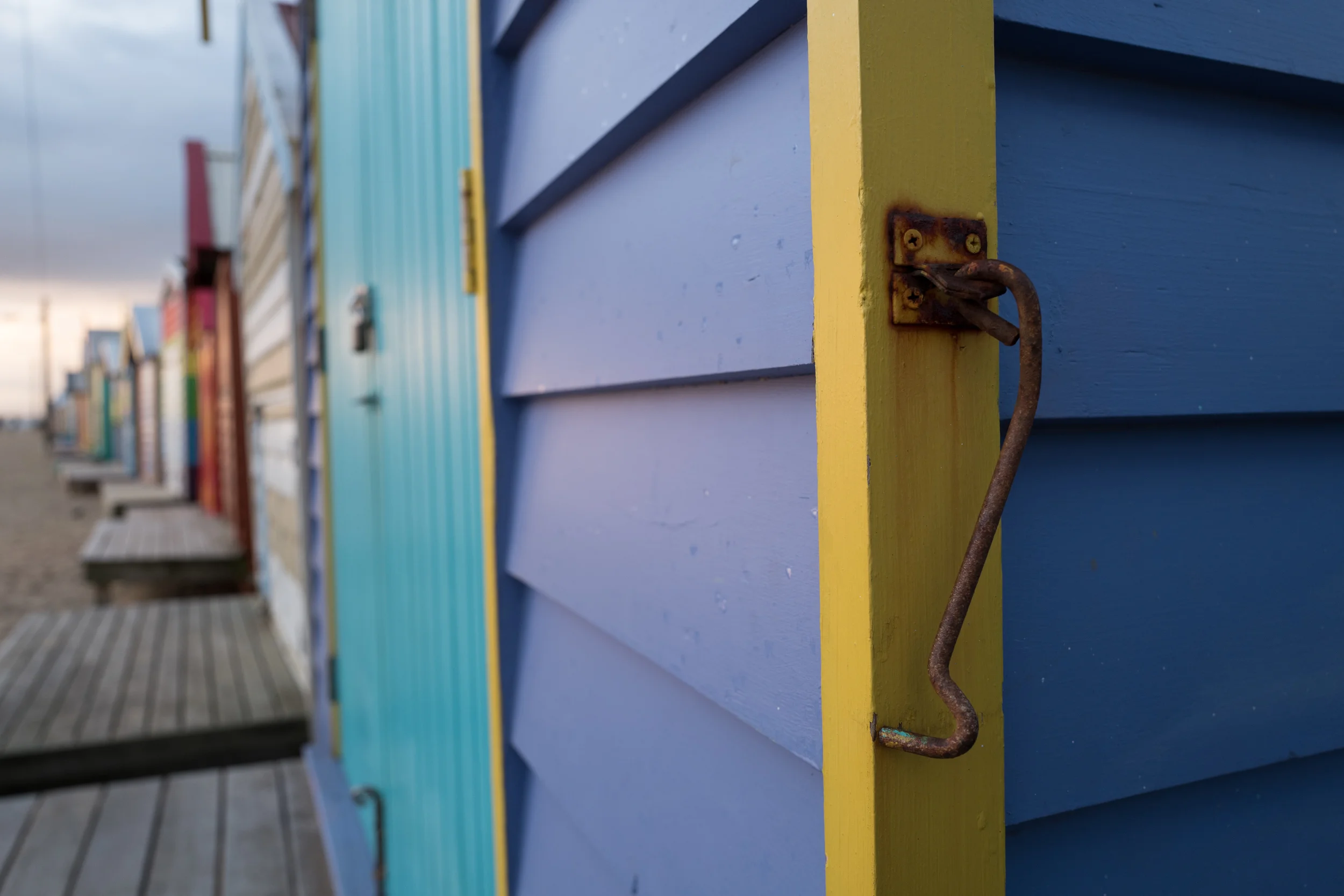



Leica Q, Macro and Normal, Handheld, Straight out of camera converted to JPG only
I was going for a mix of textures and scale with this short series, trying to capture a wider view then focussing in on some detail. Also wanted some strong colors to counter the fact that we couldn't do any post processing. Feedback focussed around the use of color and focus, detailed shots more engaging than the broad ones.
Onwards we go!
Workshop Experience : Photography Studies College Week #3

Week #3 at the PSC course sees us getting in to workflow and reviewing slow shutter speed hand held images.
Well week 3 has rolled on already. Again, still in the "ground setting mode" mainly - this week we all focussed on workflow basics and LR setups etc in the PSC Digital Lab. We also went through some portable hard disk setups for mobile workflows.
Aside from a couple of random public share folder deletions. all went cleanly !
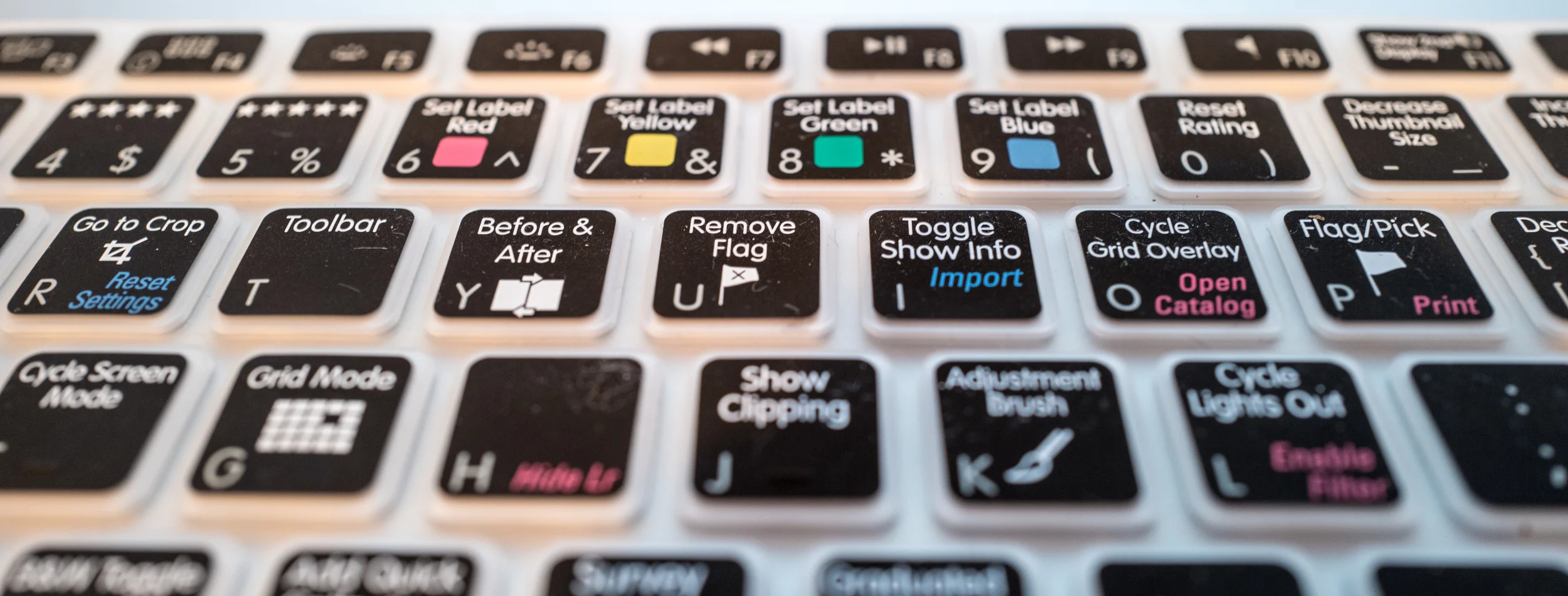
[For me I use Lightroom Creative Cloud and really enjoy its flexibility and structured workflow. There are plenty of great tip sights for Lightroom, as well as many video based learning sites. I always bring in my images as DNG (of course Leica cameras already do that for me); I import into a separate and uniquely named folder under the main heading of each year (e.g. 2014, 2015, etc); I use the date then location as my folder name (e.g. Aug122015-Lygon Street); I apply keywords during import as well as creating smart previews; I then do a quick filter and flag the keepers, delete the non keepers, then set about my editing routines as needed.
Backups of the catalog and the individual folders of keeper images are spread across my two 5 Tbit RAID NAS boxes. I only rename upon export to either Facebook, Instagram, 500px or someones email etc. I also use the handy dandy keyboard overlay for Lightroom found at KB Covers]
All the students then shared their 2 slow shutter (ISO400, 1/4 sec) shots for critique by Scott our tutor. Here are mine.
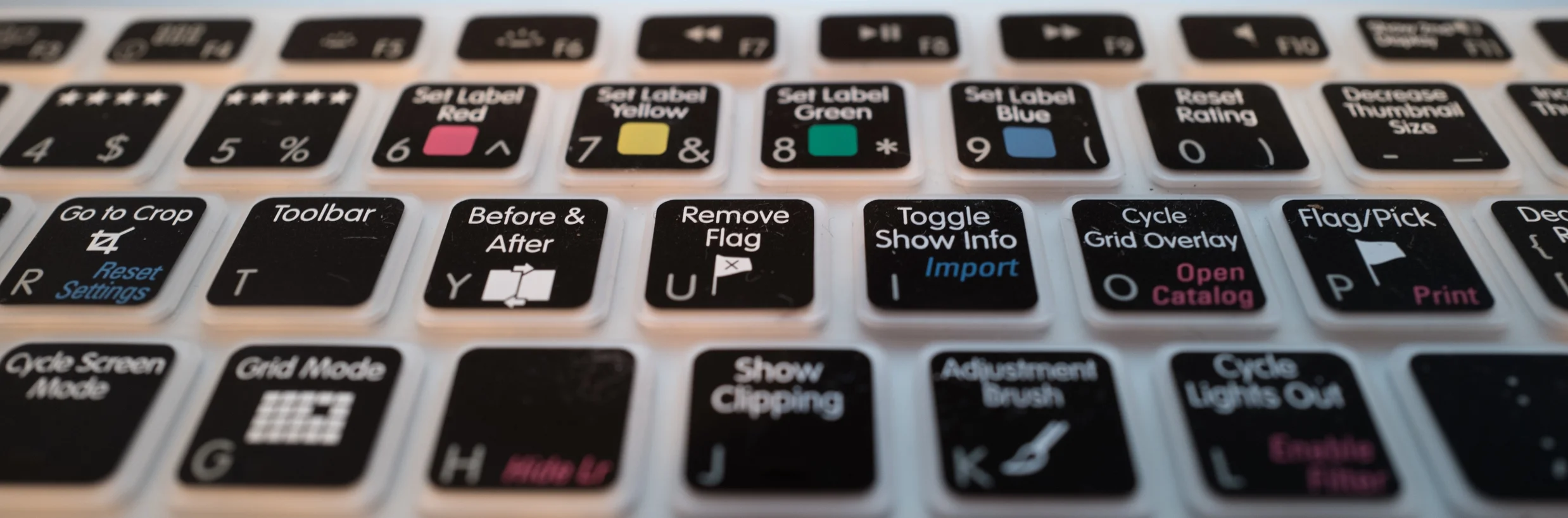
Leica Q, Handheld Standing, ISO400, 1/4, f5, AFocus, Macro, Straight out of camera, cropped
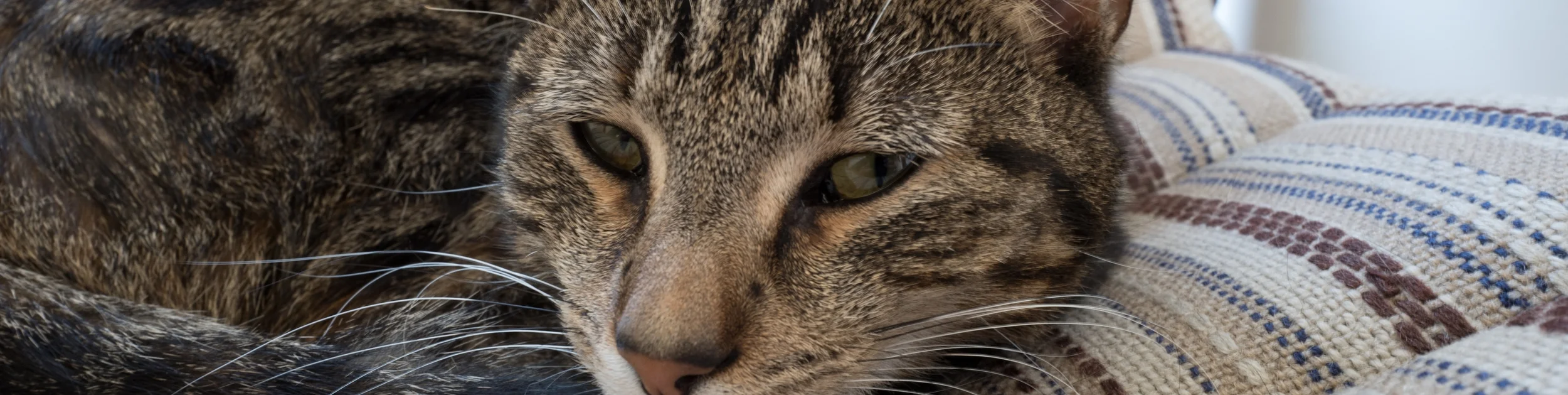
Leica Q, Handheld Sitting, ISO400, 1/4, f14, MFocus, Straight out of camera, cropped
The Leica Q was pretty easy to hold still being a little bigger than a normal 28mm fixed camera. I found it ok to handle.
A good exercise just to remind us how to hold a camera particularly when out and about working at low light. I would probably never see the need to go to a 1/4 sec and looking for a crisp image, but 1/30 1/15 handheld out on the street and getting a crisp image is a good skill to have.
Give it a try and see how you can improve by standing and or bracing yourself at 1/4 shutter.
We also received two assignments to work through. One we have two weeks to complete and that is going out and taking images that capture the "discovery walk" we did week 1.
The second is over the next week submit 5 images of anything for peer and tutor review - I assume thats a sort of benchmarking where we each are such that we can track our own progression as we go through the next weeks.
Out on the streets I go!
Workshop Experience : Photography Studies College Week #2

The PSC course continues with introduction of the exposure triangle and an assignment to get used to hand held shooting.
Being Week 2 its all still warming up with the course. We spent this week going over the mechanical and technical aspects of our cameras, bit of familiarisation for those that needed it, and a bit of a refresher for those that were across their cameras already.
Its funny how we all split in to the Canon types, the Nikon types, and the Others. By the looks of our class alone, Canon seems to be holding its own in camera share !* (* not a statistically valid sample size). Being in the "Others" with one other student, I had some good time to go through our different cameras and discuss what we liked about them.

We then got introduced to the Exposure triangle - the relationship between ISO, Shutter speed and Aperture in order to get a "correct exposure".
When I first started photography and started to get my head around this triangle and the interplay between these three key parameters, it did do my head in for quiet some time. And practise didn't seem to crack it for me at the start at all.
Until I found the book "Understanding Exposure" by Bryan Peterson.
Just a fantastic reference book - it reads so easily even though it is quiet involved in parts, and it really does cement in the key principles of shooting in manual and manipulating ISO, Shutter speed and Aperture in order to get the effect that you imagine. (it goes in to quite a few other areas of capturing light as well and I highly recommend the purchase and read).
After reading this book I have rarely taken any camera I now use off manual, and its now up to my imagination to capture a good photo just as much as it is the settings of a camera.
We also got our first assignment. A simple one, a useful one and one that isn't necessarily as easy as it sounds.
Set the camera to ISO400, shutter speed to 1/4, stabilisation off if you have it anywhere in camera or on the lens, and go and get a pin sharp hand held frame.
Off we go !
Workshop Experience : Photography Studies College Week #1

Having recently enrolled in a 20 week photography workshop, I thought I would document some of my experiences and share the journey as it goes along.
As I have some spare time at the moment I have enrolled in a part time Creative Camera and Capture workshop at the Photography Studies College PSC Melbourne, Victoria AUSTRALIA.
The workshop is made up of 20 3 hour sessions on a weeknight plus a weekend location activity. There were no prerequisites (except the fee of around $2500 AUD or so) and its made up of 3 units from their actual Advanced Diploma in Photography course that they offer.
I thought I would use these pages to share some of the experiences as we go along and hopefully get some conversations going on the content and learnings and how it can help us all achieve our own goals in photography.

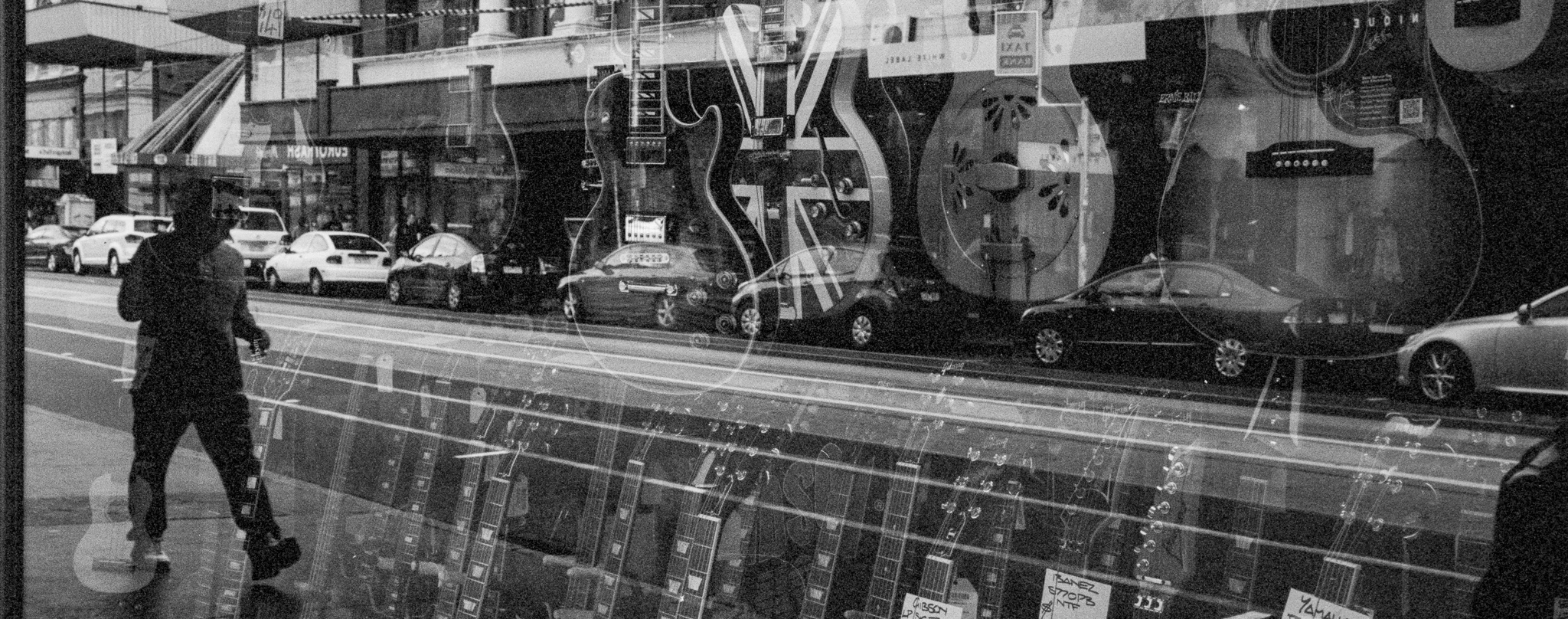
Guitar Man @LesWillPhoto 2015 Leica M6 TTL, Tri-X 400TX film, f11, 1/500, scan via Vuescan
Session 1
PSC is a very well respected institution in Melbourne and Australia so I start this course with a pretty high sense of excitement and expectation. First day is always a bit slow and clunky. We all met each other - about 18 of us - and our lecturer who is Scott McNaughton, photographer for Fairfax. Described himself as a mixture of technical photographer and creative photographer - so should cater for every type in the class ! Really solid guy that came across well from the get go. Outlined what we will go through over the next 20 weeks, and gave us an insight in to the fact that we are all starting from different points, and the course is all about lifting each of us from wherever we see ourselves at the moment. Sounds good. Also warned us that during the workshop our shots will get worse before they get better of course!
After sharing some of his own work and discussing his work (probably a bit more then he expected!) Scott took us through a quick history of photography, Covering work from Capa, H CB and the early Magnum people, he then moved on to the early photo journalism work of Annie Leibovitz. It was then whirlwind review of the work from James Nachtwey, Joe McNally, Elliot Erwitt and Greg Marinovich and the Bang Bang Club. Clearly a lot of content from a lot of photographers and all well worth exploring and reading up on. McNally's work is fantastic in my view, and the early Magnum greats are all inspirational given their focus on the creative capture of moments as opposed to the technology - as it wasn't around much then of course! Really enjoyed the albeit quick timeline run through from the first known photo (daguerreotype) to modern day photographs.

I like the fact that the workshop is all about lifting and bettering each of us from our own starting point, and as with any workshop, its more about what we want to get out of it as opposed to anything else. All good so far.
The PSC journey has started! Until next time.