
Gear Review : Tim Isaac's Thumbs Up for the Leica Q

Love a well engineered and highly functional accessory? Check out the Thumbs Up from matchTechnical, its a cracker !
I dont mind declaring my very extensive experience in the art and practice of on line purchasing and the many varied fulfilment processes that follow after hitting the "buy" button on any particular site.
And given my many online transactions over the years, I can still show on a single hand the number of online purchasing processes that have blown me away with their consideration, customer focus and attention to detail - and that these experiences also match the product being sold.
Buying a Thumbs Up from Tim Isaac and the team at matchTechnical is one such experience.
But lets start from the start.
What is a Thumbs Up for Leica Q? Well its basically a highly engineered and designed stabilising accessory for your camera - it allows the right palm of the hand to push backwards towards the user, whilst the thumb on the same hand rests in to a perfectly placed curvature to push back against the hand, thus making the camera extremely stable, able to be used at ease with only one hand if needed or to be held even more securely with two - and with all functions and buttons accessible at all times.
The only aspect of the camera the accessory "takes over" is the hot shoe slot - it needs something to fasten in to and act as a leverage point - and it does this firmly, snugly, and perfectly matched to the camera at hand, in this case the new Leica Q.

Thumbs Up by matchTechnical, model number EP-SQ, in black
More about this little - and pricey (as all premium accessories are) - gem later, but what about the buying process?
Well on this occasion I got in touch with Tim directly via his site when I read that you could pre-order the Thumbs Up for the Q, given its a new release camera. Whilst there was no mention of this capability on the website that I could find, Tim responded promptly overnight (I am in Australia and he is in Seattle, United States) with an enthusiastic yes, that I could pre order, that he would send me a bespoke Paypal request to fulfil and confirm purchase, and that delivery would start from a certain date in the future. Awesome!
After completing all of that almost in real time with him over email, my order was all set. Love it when on line time zones align.
Within a few days of his first suggested date I got the delivery tracking information and my new Thumbs Up for Leica Q was on its way.
Receiving a product from matchTechnical is a little like seeing the end product of those experienced shopping centre people after they wrap your gifts for you at christmas time. The packaging of a Thumbs Up would give an Apple dispatch person some envy I would suggest.


Once the enjoyment of getting the little gem out of its box is over, placing the Thumbs Up on to the Leica Q gives equal satisfaction due to its well engineered features and snug fit in to both the shoe box and the original thumb rest curvature of the Q on the right had side of the camera.
Protective rubber at all touch points of the Thumbs Up to the camera ensure no Leica Q gets harmed in the process if attaching and using.
Then using this accessory simply enhances the feel and usability of the Leica Q in my opinion. It allows for an aggressive thumb and hand action to hold the camera steady when doing low light/slow exposure work, and makes it very comfortable to hold when not shooting and simply walking around at the ready for a shot.

A follow up email back to Tim to let him know the goods had arrived all well and good prompted him to respond with an insight in to his and the teams design philosophy, why the Thumbs Up came about, and his on going passion for the accessory and what he and the team do. It was great to read and know in a small way we were helping each other out in varying ways.
The Thumbs Up from Tim and matchTechnical is an absolute winner accessory which is well worth the outlay. Over time I have purchased one for a Fuji x100s, a Leica M-P and now the Q and all products came with the same considered design, engineering, functionality and customer service.
And it helps with the overall function of your camera. Every time.

Workshop Experience : Photography Studies College Week #5

Started a new stream of sessions around Composition and Frame this week, along with more Digital Lab time to get the workflow going in the right direction.
Busy busy week this week. Kicked in with an extra stream of a 3 hour/night weekly session that will last for 8 weeks, focussing solely on Composition and Creativity. So its twice a week for September and October we go !
We continued our original stream in the Lightroom digital lab, going deeper into Black and White points, tonal adjustments, and some more detailed catalog techniques. All good refresh stuff and you always pick up some new and helpful tips as you go over ground again. The one thing about LR and catalog techniques is that you can always improve !
We also presented our 3 images that were to show our Awareness Walk - 2 images of perspective and 1 exploring textures. I must say I struggled to interpret even this fairly basic exercise well enough and got lost in the execution a bit... but its all a learning experience and thats what we do workshops for, so onwards and upwards we go.

Awareness Walk Lygon St Carlton, Leica Q, ISO400, 1/250, f3.2,
Our tutor for the additional stream is Lucia Rossi and if the first session is anything to go by, we are all going to be in for a fun and creatively wild ride. Lucia got us from the start talking about Artfulness vs Art, and how we actually clarify what Art is.
Cy Twombly, "The Italians", 1960
We then set about understanding how you go about deconstructing an image (to the point that you wouldn't normally do it to every image you see!). The categories we used to "analyse a frame" are around Form (covering Medium, Style, Design) and Content (covering Literal meaning, Symbolic, and overall Metaphoric).
We practised on a Sandy Skoglund image "Radioactive Cats" which was great and I will not fill out the categories here as there are plenty of interpretative papers on the net exploring this work if you want to follow it up. Needless to say it was great exercise in deconstructing an image that has impact and multiple levels of subjectivity.
Lucia urged us to keep a log and a visual diary of image and ideas that inspire us from now, and that we would then analyse and discuss in the class as we go along. The next 7 weeks will focus one week each on the areas of The Frame, Frameworks, Colour, Shape and Form, Tone and Value, Rhythm and Movement, and Space and the Picture Frame.
Off we go again, this time down the creative and composition path!

Workshop Experience : Photography Studies College Week #4

Week #4 has rolled on and in the technical part we were all about the exposure triangle and DOF indetail. Then we reviewed some random shots for feedback, and we also got our full course portfolio assignment !
This week we all got stuck in to understanding the exposure triangle in more detail, with a particular focus on DOF and Hyperfocal focussing. Control of the focal plane is critical in producing the style of photo that is in your head, and using DOF and Hyperfocal techniques irrespective of the lens you use is paramount.
Its also very handy when you have a camera that has the DOF markings on the lens ! #loveleica
The class then received its overall main portfolio assignment that make sup the main purpose of the course - to produce a 32-40 image portfolio made up of 4 mandatory sections.
The sections are : Landscape/Architecture/Urban Environment, Portrait/People/Animals, Still Life/Nature/Found Objects, and Personal Expression (this section to involve a story with a narrative tying all images together). Broad subjects but we do have a few rules to abide by as well : No Flash, Color only, No HDR, and only allowed to use Lightroom with minimal post editing (basic adjustments and some tone adjustments).
Looks like fun and a challenge. We all have 16 weeks to complete the assignment.
We then submitted some random images for basic feedback, mainly in the area of sharpness and composition.
I submitted the following :
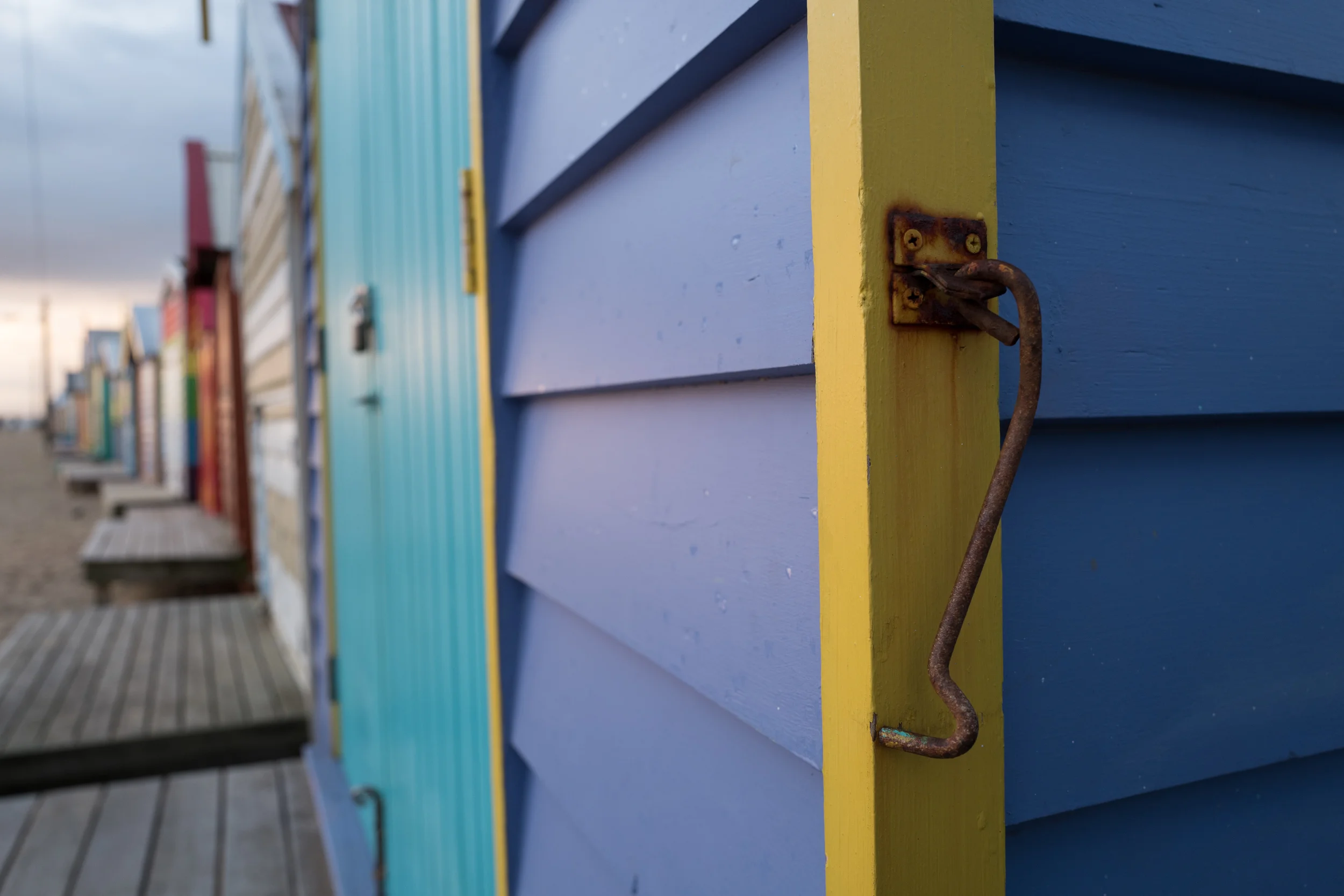

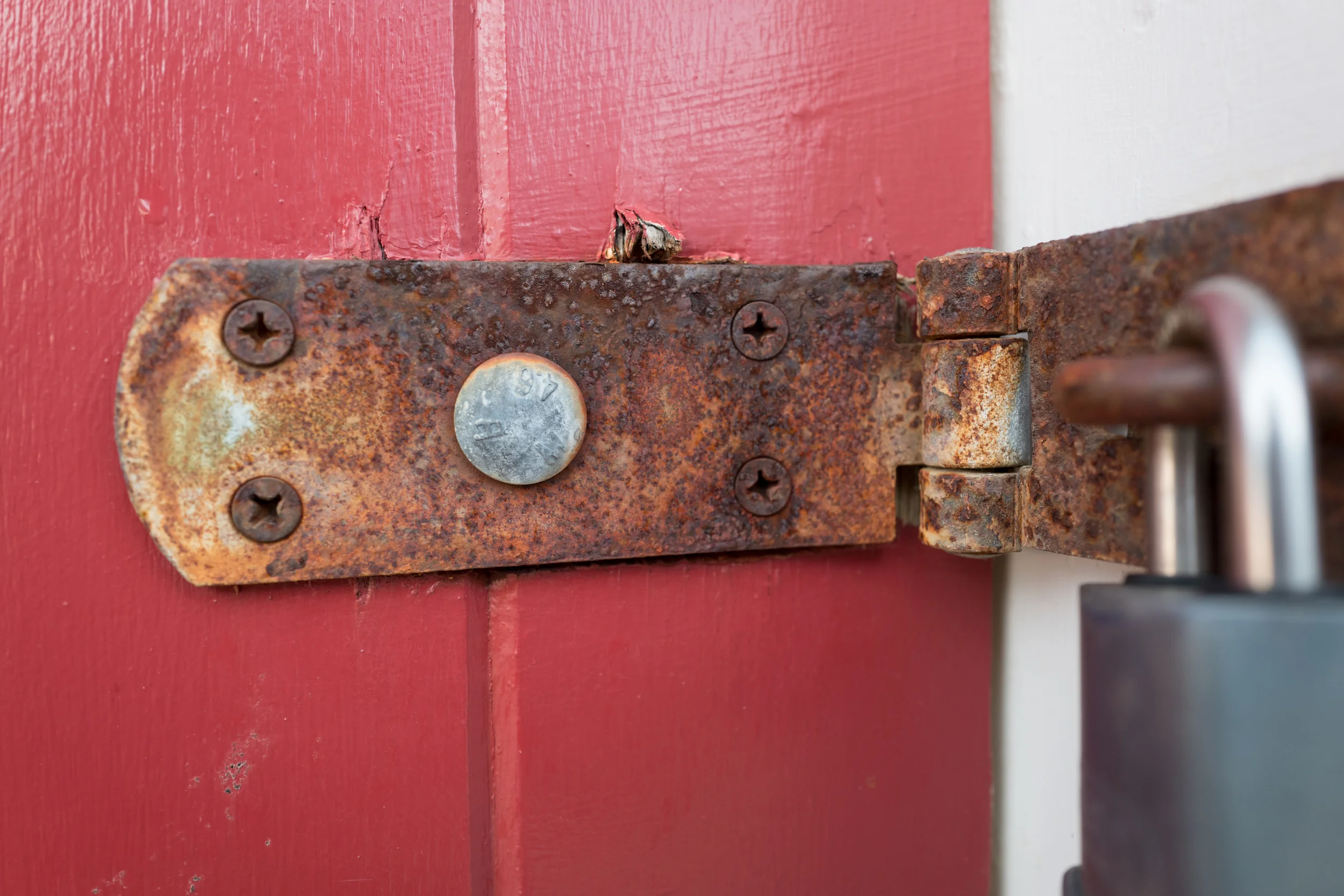

Leica Q, Macro and Normal, Handheld, Straight out of camera converted to JPG only
I was going for a mix of textures and scale with this short series, trying to capture a wider view then focussing in on some detail. Also wanted some strong colors to counter the fact that we couldn't do any post processing. Feedback focussed around the use of color and focus, detailed shots more engaging than the broad ones.
Onwards we go!

Book Review : Steve McCurry, Joe McNally, Ying Ang

3 very different books reviewed this time - 2 Portfolio style and 1 instructional.
Had some nice deliveries from the Book Depository over the past two weeks or so. We love a flat package in the post. Two newish books and one oldie but a goodie.
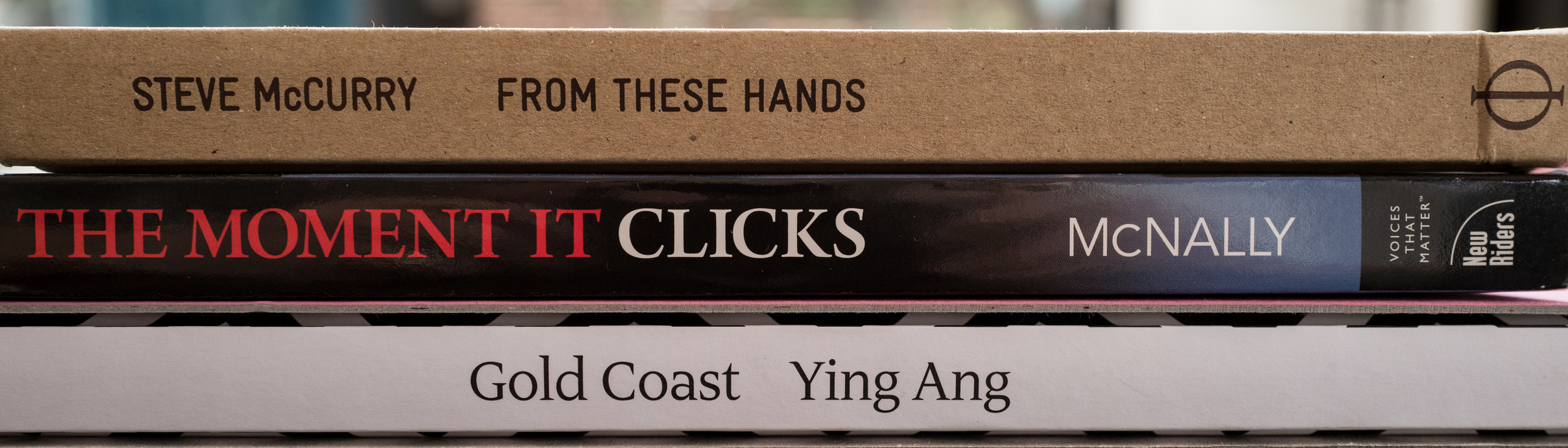
In the newish category I looked through the new book by Steve McCurry (he of the "Afghan Girl" fame amongst many other things) called "From These Hands : A Journey Along the Coffee Trail".
Its a great collection of environmental portraits of people and communities from countries that make up the majority of the coffee production for the planet. Being an avid caffeine consumer I couldn't pass up the by line and its well worth the purchase in my view. The portraits are unmistakably Steve McCurry in stye of course, and the environments in which he captures really add to the story telling of this very manual labour intensive life.

Full single page portraits with a single text naming the country in which it was taken is the totality of narrative in this book, but the images tell several coffee related stories all at once. Hardship, joy, pride, stress, sweat, tears, beauty, hope, and desire are all captured in the frames in brilliant colour profiles that pop off the pages. The images where the actual beans get a look in are equally as compelling.
The quality is as you would expect from this Magnum photographic professional. The cover feels like its recycled paper made in to a very strong outer cover, as do the dividing pages, with a very distinctive textured look. The photo pages are great quality and feel, and make all the images look even better.
Its a great story, and apparently he took well over 4 decades in documenting its pages. Well worth it.
In a totally different story telling mode we go into the world of Ying Ang, or more specifically, in to her view of the Gold Coast in Australia. Part David Lynch, part Twin Peaks, and part photo journalism, this book is a surreal story of the Gold Coast and the lives it effects within its boundaries. I will not declare too much about it as it is better left to the viewing.
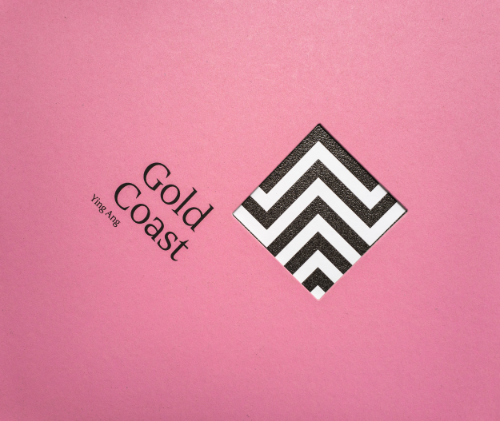
On the presentation side this is one of the best presented project portfolios I have seen for a while. Bold pink thick cardboard sleeve with a cutout covers a really nicely textured black and white zig zag strobe effect book. It immediately sends your eyes and brain flicking, which may be the cinematic intention I don't know. But it trips you out.
Then Page 1 you are met with a run thru of the "screenplay" A Tale of Unexpected Menace. And off you go .....
Surreal photos of Gold Coast suburbia and cheap trash and domestic menace follow. Some of the pages are 1/3 extra gate sleeve style which gives the image great effect whenever its used. As narrative all you get are street locations, suburbs and /or times of day. Until right at the end where an additional "photocopy" style leaflet is included of some actual Gold Coast newspaper articles supporting the mystery and skullduggery of the photographic project.
Intense, surreal and very very cool.
And finally in this posting, a portfolio/instructional book that is fairly old in the tooth, but could be well worth the read again for many.
As the back cover states, Joe McNally's The Moment It Clicks has "one foot on the coffee table and one foot in the classroom."

First printed in 2008, like I mentioned it is an oldie - but a goodie. If you ever want to know how to throw around a lightbox, or learn some three letter acronyms to impress artificial light junkies, this is for you.
The "coffee table" part of this book are the images - really strong, fantastic images. Then, accompanying every image on every page, Joe gives content and colour to the frame and how it came about, and then a real deep dive in to the technical components of the image and in particular how the lighting was constructed much of the time.
Joe mixes great technical capability with the power of story telling very effectively so you never really feel too bogged down in equipment or technique. That said, it does drop a lot of acronyms (all explained) in particular around lightbox components so you need to get through all of that, but Joe also counters this with numerous practical and composition based tips and insights which continue to inspire read after read.
This book doesn't quite float my boat as I tend to only use natural light outside most of the time, but that shouldn't stop anyone who wants to learn from a true master of the art and craft.

Workshop Experience : Photography Studies College Week #3

Week #3 at the PSC course sees us getting in to workflow and reviewing slow shutter speed hand held images.
Well week 3 has rolled on already. Again, still in the "ground setting mode" mainly - this week we all focussed on workflow basics and LR setups etc in the PSC Digital Lab. We also went through some portable hard disk setups for mobile workflows.
Aside from a couple of random public share folder deletions. all went cleanly !
[For me I use Lightroom Creative Cloud and really enjoy its flexibility and structured workflow. There are plenty of great tip sights for Lightroom, as well as many video based learning sites. I always bring in my images as DNG (of course Leica cameras already do that for me); I import into a separate and uniquely named folder under the main heading of each year (e.g. 2014, 2015, etc); I use the date then location as my folder name (e.g. Aug122015-Lygon Street); I apply keywords during import as well as creating smart previews; I then do a quick filter and flag the keepers, delete the non keepers, then set about my editing routines as needed.
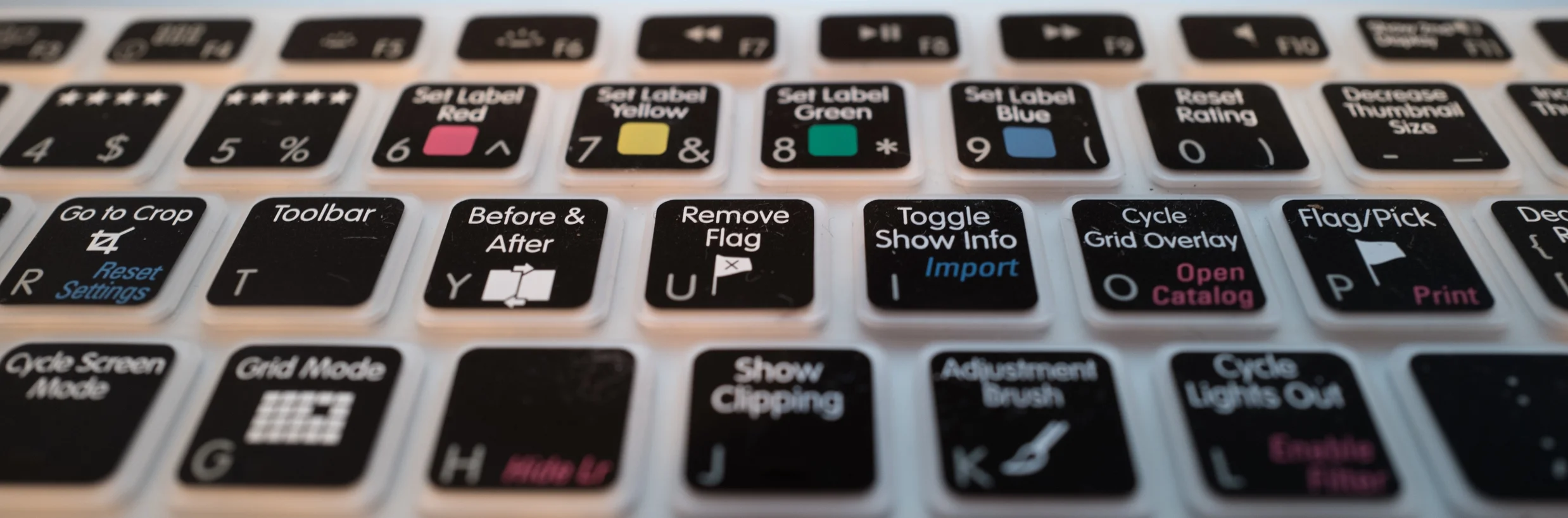
Backups of the catalog and the individual folders of keeper images are spread across my two 5 Tbit RAID NAS boxes. I only rename upon export to either Facebook, Instagram, 500px or someones email etc. I also use the handy dandy keyboard overlay for Lightroom found at KB Covers]
All the students then shared their 2 slow shutter (ISO400, 1/4 sec) shots for critique by Scott our tutor. Here are mine.
Leica Q, Handheld Standing, ISO400, 1/4, f5, AFocus, Macro, Straight out of camera, cropped
Leica Q, Handheld Sitting, ISO400, 1/4, f14, MFocus, Straight out of camera, cropped
The Leica Q was pretty easy to hold still being a little bigger than a normal 28mm fixed camera. I found it ok to handle.
A good exercise just to remind us how to hold a camera particularly when out and about working at low light. I would probably never see the need to go to a 1/4 sec and looking for a crisp image, but 1/30 1/15 handheld out on the street and getting a crisp image is a good skill to have.
Give it a try and see how you can improve by standing and or bracing yourself at 1/4 shutter.
We also received two assignments to work through. One we have two weeks to complete and that is going out and taking images that capture the "discovery walk" we did week 1.
The second is over the next week submit 5 images of anything for peer and tutor review - I assume thats a sort of benchmarking where we each are such that we can track our own progression as we go through the next weeks.
Out on the streets I go!

Workshop Experience : Photography Studies College Week #2

The PSC course continues with introduction of the exposure triangle and an assignment to get used to hand held shooting.
Being Week 2 its all still warming up with the course. We spent this week going over the mechanical and technical aspects of our cameras, bit of familiarisation for those that needed it, and a bit of a refresher for those that were across their cameras already.
Its funny how we all split in to the Canon types, the Nikon types, and the Others. By the looks of our class alone, Canon seems to be holding its own in camera share !* (* not a statistically valid sample size). Being in the "Others" with one other student, I had some good time to go through our different cameras and discuss what we liked about them.

We then got introduced to the Exposure triangle - the relationship between ISO, Shutter speed and Aperture in order to get a "correct exposure".
When I first started photography and started to get my head around this triangle and the interplay between these three key parameters, it did do my head in for quiet some time. And practise didn't seem to crack it for me at the start at all.
Until I found the book "Understanding Exposure" by Bryan Peterson.
Just a fantastic reference book - it reads so easily even though it is quiet involved in parts, and it really does cement in the key principles of shooting in manual and manipulating ISO, Shutter speed and Aperture in order to get the effect that you imagine. (it goes in to quite a few other areas of capturing light as well and I highly recommend the purchase and read).
After reading this book I have rarely taken any camera I now use off manual, and its now up to my imagination to capture a good photo just as much as it is the settings of a camera.
We also got our first assignment. A simple one, a useful one and one that isn't necessarily as easy as it sounds.
Set the camera to ISO400, shutter speed to 1/4, stabilisation off if you have it anywhere in camera or on the lens, and go and get a pin sharp hand held frame.
Off we go !

Book Review : The Photography Workshop series of books by Aperture

I recently re-read the Aperture series of Photography Workshop books. Thought I would share some brief insights.
Its great to buy a photography book, new or old, with no expectations and then upon reading, wonder how you ever took a photo prior to reading it. Not that books suddenly make all your average photos turn in to great ones of course, but I find they do focus you on to what does work and what doesn't. Books and research help you improve your self filtering, your own critique methods, and by default, raise your own standards. Photography books are generally of two types - educational/functional or portfolio based. Portfolio based are great to just view a favourite or challenging photographers' body of work or specific project.
The educational and functional books can also frustrate the hell out of you - by being too detailed or esoteric; or too vague and floaty; or just plain boring.

Having recently re-read the aperture series of Photography Workshop books, I think these are one of the best mix of both formats - educational and portfolio - that I have come across. And more importantly they deliver in spades on great images and great insight and education content.
(Aperture is a not for profit photography foundation that links photographers with their audience through print, online, and in-person).
The general format for all four books in the series is on each page there is a photo, and then the particular guest photographer talking about broad concepts of photography mixed with some specifics about the photo being shown. That's it. Some times the comments are lengthy and involved, other times they are light and soft. But put together it all works so well towards inspiring and educating the reader that you rarely feeling like putting the books down.
Alex Webb and Rebecca Norris are just so creative in the way that they explain their photo as it relates to street; Mary Ellen Mark is clearly a great teacher as well because her comments about her photos are so clear and thoughtful and accessible; they all just work really well as a read and reference material.
In the interest of Buy Books Not Gear living, I have really enjoyed reading and using these books and hope to use them again and again. Highly recommended.

Workshop Experience : Photography Studies College Week #1

Having recently enrolled in a 20 week photography workshop, I thought I would document some of my experiences and share the journey as it goes along.
As I have some spare time at the moment I have enrolled in a part time Creative Camera and Capture workshop at the Photography Studies College PSC Melbourne, Victoria AUSTRALIA.
The workshop is made up of 20 3 hour sessions on a weeknight plus a weekend location activity. There were no prerequisites (except the fee of around $2500 AUD or so) and its made up of 3 units from their actual Advanced Diploma in Photography course that they offer.
I thought I would use these pages to share some of the experiences as we go along and hopefully get some conversations going on the content and learnings and how it can help us all achieve our own goals in photography.

Guitar Man @LesWillPhoto 2015 Leica M6 TTL, Tri-X 400TX film, f11, 1/500, scan via Vuescan
Session 1
PSC is a very well respected institution in Melbourne and Australia so I start this course with a pretty high sense of excitement and expectation. First day is always a bit slow and clunky. We all met each other - about 18 of us - and our lecturer who is Scott McNaughton, photographer for Fairfax. Described himself as a mixture of technical photographer and creative photographer - so should cater for every type in the class ! Really solid guy that came across well from the get go. Outlined what we will go through over the next 20 weeks, and gave us an insight in to the fact that we are all starting from different points, and the course is all about lifting each of us from wherever we see ourselves at the moment. Sounds good. Also warned us that during the workshop our shots will get worse before they get better of course!
After sharing some of his own work and discussing his work (probably a bit more then he expected!) Scott took us through a quick history of photography, Covering work from Capa, H CB and the early Magnum people, he then moved on to the early photo journalism work of Annie Leibovitz. It was then whirlwind review of the work from James Nachtwey, Joe McNally, Elliot Erwitt and Greg Marinovich and the Bang Bang Club. Clearly a lot of content from a lot of photographers and all well worth exploring and reading up on. McNally's work is fantastic in my view, and the early Magnum greats are all inspirational given their focus on the creative capture of moments as opposed to the technology - as it wasn't around much then of course! Really enjoyed the albeit quick timeline run through from the first known photo (daguerreotype) to modern day photographs.

I like the fact that the workshop is all about lifting and bettering each of us from our own starting point, and as with any workshop, its more about what we want to get out of it as opposed to anything else. All good so far.
The PSC journey has started! Until next time.

Gear Review : Walking around Melbourne with the Leica Q

Some of my experiences with the Leica Q out on the streets of Melbourne, and how I found the workings of the camera overall.
Its been a while since I had an attack of G.A.S. (Gear Acquisition Syndrome) but when it hits it hits hard. Every car going by turns in to a possible delivery van; notes are left at letter boxes if I pop down the street for some time torn that I may miss the delivery; and product websites become bookmarked and checked daily. All the activity rises and reaches a crescendo once the buy button on any particular online store site is pressed. Tingles and angst run through the body in equal measure. Manuals are downloaded in anticipation. Accessory pages are searched for. Space is cleared in the office and camera bag in preparation.
Then it arrives.
The wallet and the body skip a beat.
In my latest attack, it was a Leica Q 116 that appeared. Ahead of time too which made it an even more intense G.A.S. attack.
But more about my inadequacies later perhaps, lets talk about the Leica Q.
Now I may or may not own other Leica pieces, but I am certainly not a Leica purest, but I do appreciate fine craftsmanship and design expertise. I also love a camera that just works.
The Leica Q is one of the finest cameras I have used out on the street for documenting everyday life. Its by no means a broad based utility camera. Its niche and its got a distinct purpose in the light capturing world. And for me it does it really well.

Walking On Sunshine @LesWIllPhoto 2015. Leica Q, ISO1250, f10, 1/2000, Autofocus
From a practical point, its light and doesn't hurt your neck after a full days walking around. (To make that an even nicer experience I recommend Harry Benz straps - awesomely nice.) With a strap the camera is easy to hold in the hands and the non protruding controls are all accessible and become very familiar very quickly. The lens AF to manual change feels just right, the way the macro DOF markings scroll out when you manually put it in macro mode is just great, and the lens hood is the only lens hood I have had that actually fits perfectly every time and looks the goods (although a metal slotted 49mm hood would be even better).
Its so well balanced and ready to go that it is a delight to hold, slippery front or otherwise. I will be adding a Thumbs Up once available of course and that should be that !
I normally use MF and Zone Focussing with my other camera for street documenting, but the AF mode on the Leica Q is so fast, why wouldn't you use it?. Its just so smooth and instant. I have it set to continuous shooting, 1 point focus, AFs, and centre weighted exposure. I have no LCD review period, standby in 5 minutes, and always leave the power switch ON and set to continuous. Turn off all the sounds, set the LCD/EVF to just EVF mode, and don't take any video (why would you with this photo beast?) and I found the battery lasts at least two long days of shooting and some. And the wake up time is fantastic. A quick tap on the shutter release, brings everything back to life, quick half press for focus then full continue to full press for a frame. Done and dusted. Perfect.
And the 28mm fixed lens? Apart from its technical prowess being right up there as per usual Leica lens standards, well you just have to get closer. Then take a step forward one more time. Then capture the frame.

Layers of Melbourne @LesWIllPhoto 2015. Leica Q, ISO1250, f/10, 1/2000, Autofocus
Now is all this awesomeness making my photos better? No of course not, that's still up to me and my vision and we are all on the journey as they say. And I am on a long one. But with this camera in my hand I know that it will do what I think I want it to do, when I want it to do it, and do it really really well.
Whinges at this stage after less than a month with the Leica Q? I tend to be from the "work with what you got" school (and you get a lot with the Leica Q), but some things are a little weird due to their omission/method of execution.
No RAW/DNG only option.
The LCD to EVF switching (if you keep the LCD active) is great but pretty simple and can't be controlled by easy to access button options.
The diopter adjust dial does need to be taped in place once set. Love applying crappy gaffa tape to a $4500 beast.
The direction pad is a little on the small side and takes some positioning work with the hand when you are looking thru the EVF. Could have been bigger for easier access.
Could have left all the video options out all together as far as I am concerned as they aren't great specifications and seem a little clunky in their adaptation, but I am not to comment too hard as I don't use photography cameras for video. Never !
WiFi functionality and App connectivity extremely clunky to configure, next to useless for the most part, and in my 5 minutes of tinkering had more dropouts than my old modem dial up service from the 90's, so I got over it. I still find the whole WiFI access area a gimmick and next to useless in improving workflow or photo taking. Keen for any views on this side of camera technology.
The price is the price and it is expensive, but in comparison to the Leica M range, its as much a bargain as Leica will produce in my view, and compared to the external mirrorless market such as Sony and co, well I haven't used any of those so best you found out from others or for yourselves. Its expensive. I will be getting mine insured.
Wrap Up.
Its an awesome camera and for the relatively small amount of time I have used it on the street, I think its by far the best device I have used. For street documenting in lots of environments, it does what you ask it to do and really quickly and discretely. High quality RAW/DNG images are produced. It's really really nice and comfortable to walk around with. I love it and its cured my G.A.S. so its back to the Eric Kim Buy Books Not Gear theory for me, and plenty of time out on the streets with this wonderful tool !
Let me know your view and experiences whether it be with the Leica Q or with other similar tools.