
Workshop Experience : Semester B Final Sessions
Well, Semester B is all over bar the folio presentations so thats about it for this section. Been a great semester and enjoyed working towards the final folio of images. Until next time !

©LesWillPhoto Canon 6D, 16mm, ISO800, f16, 1/60
Conscious that it has been awhile since I last posted. Been away touring through the wonderful Croatian inland and coastal areas, as well as staying on some wonderful islands enjoying the local food and olive oil and beaches. Will post up some photos when all downloaded and categorised. Great time though.
What that meant though was that I missed the 3 final Semester B sessions. I did read online all that was being discussed - one of the good things about PSC is that all class notes generally are available online - so didn't miss too much. That said, the bulk of these sessions were used for portfolio feedback which is something I did miss out on. Having seen some of my fellow students and where their images have got to, or their concepts, I realise that those feedback sessions would have really benefited my ideas as well of course. The price of a holiday during semester !
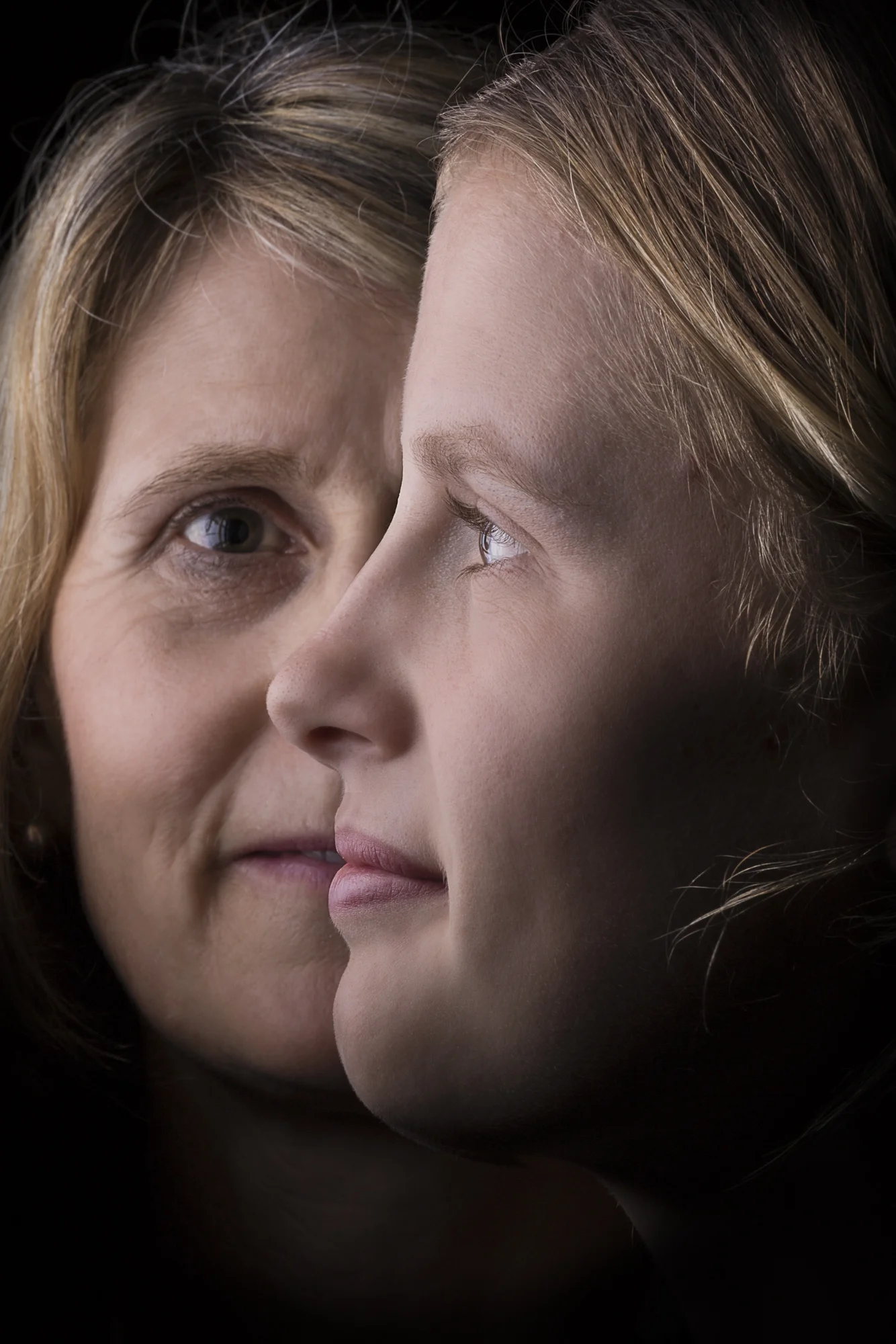
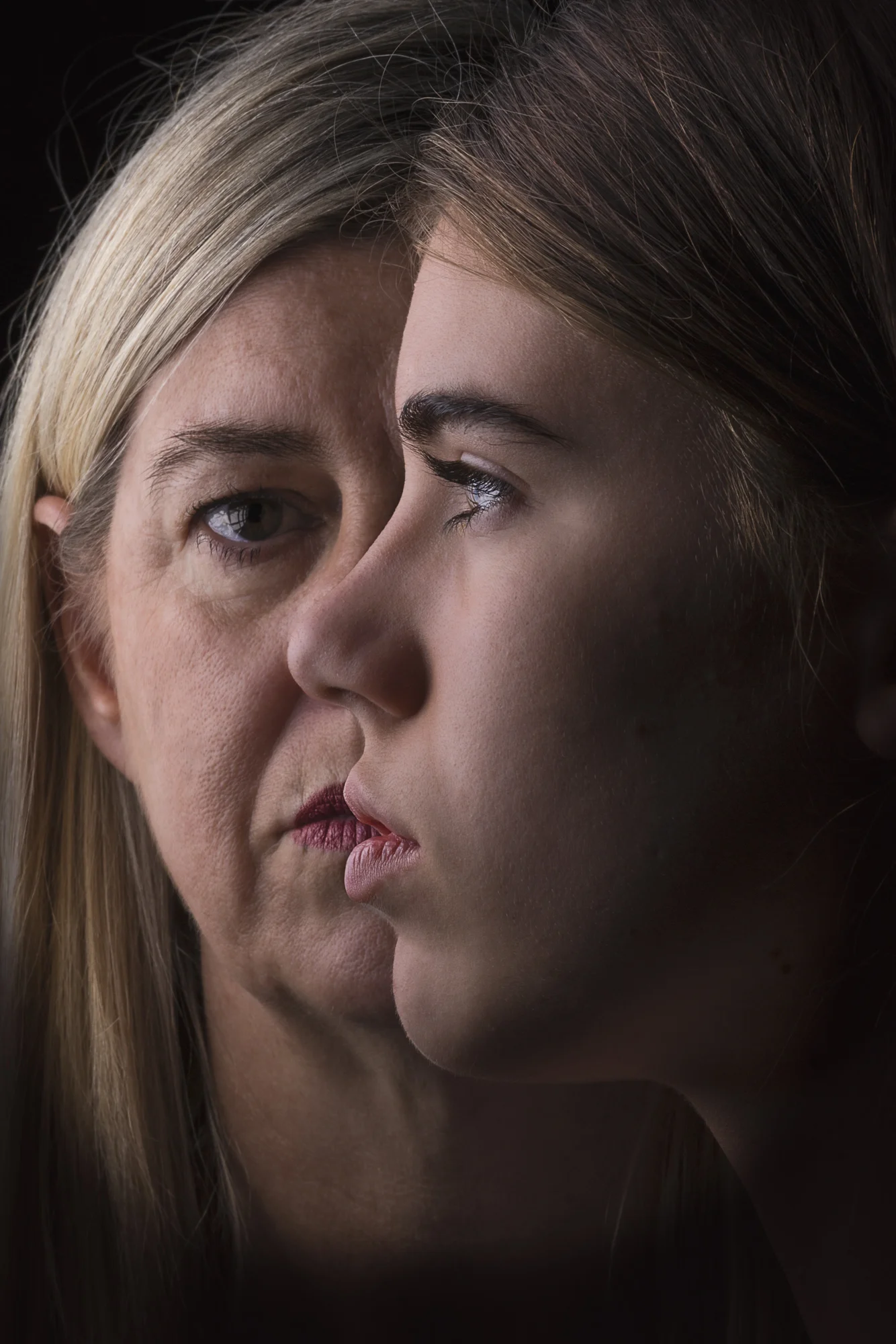
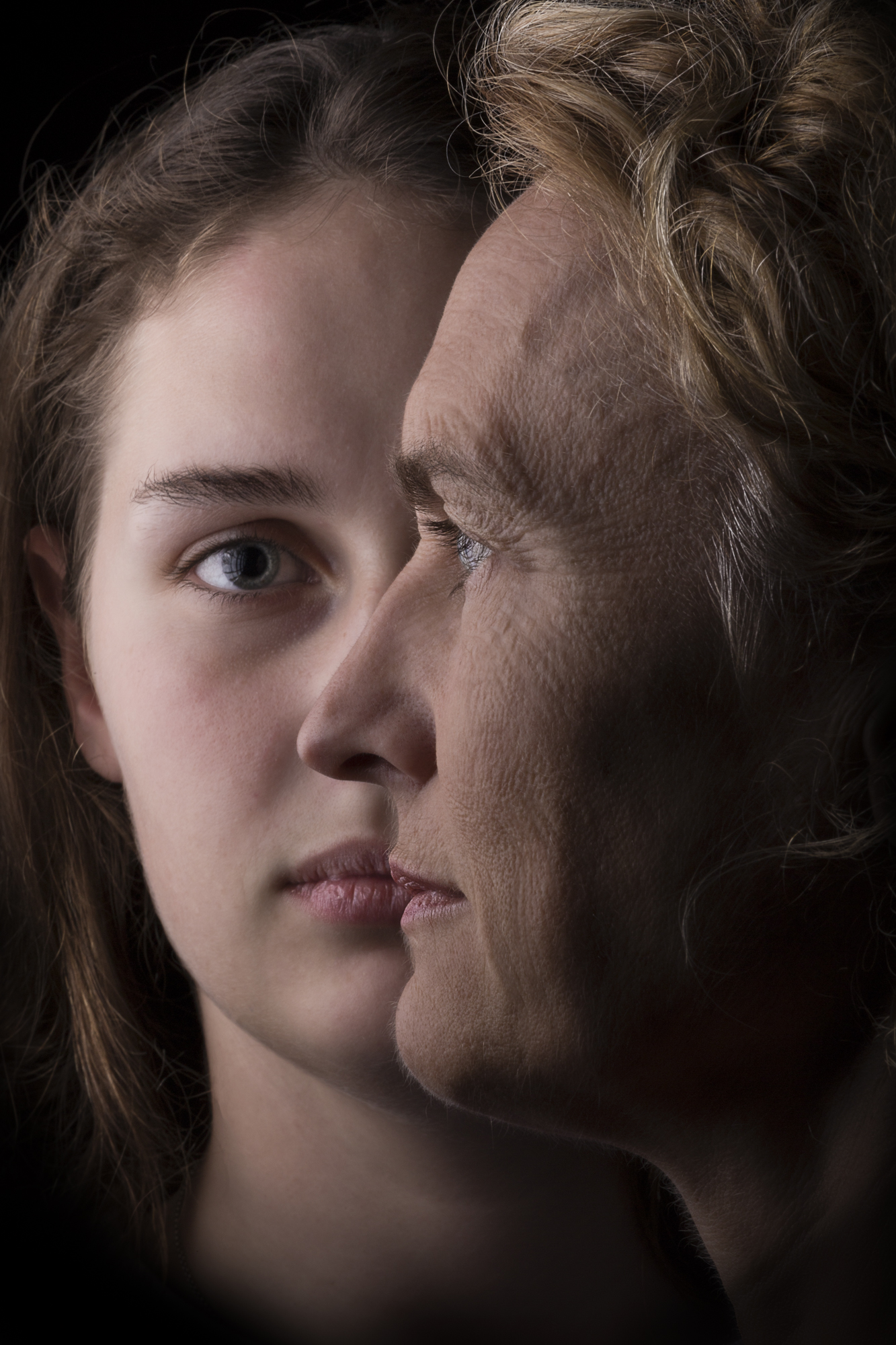
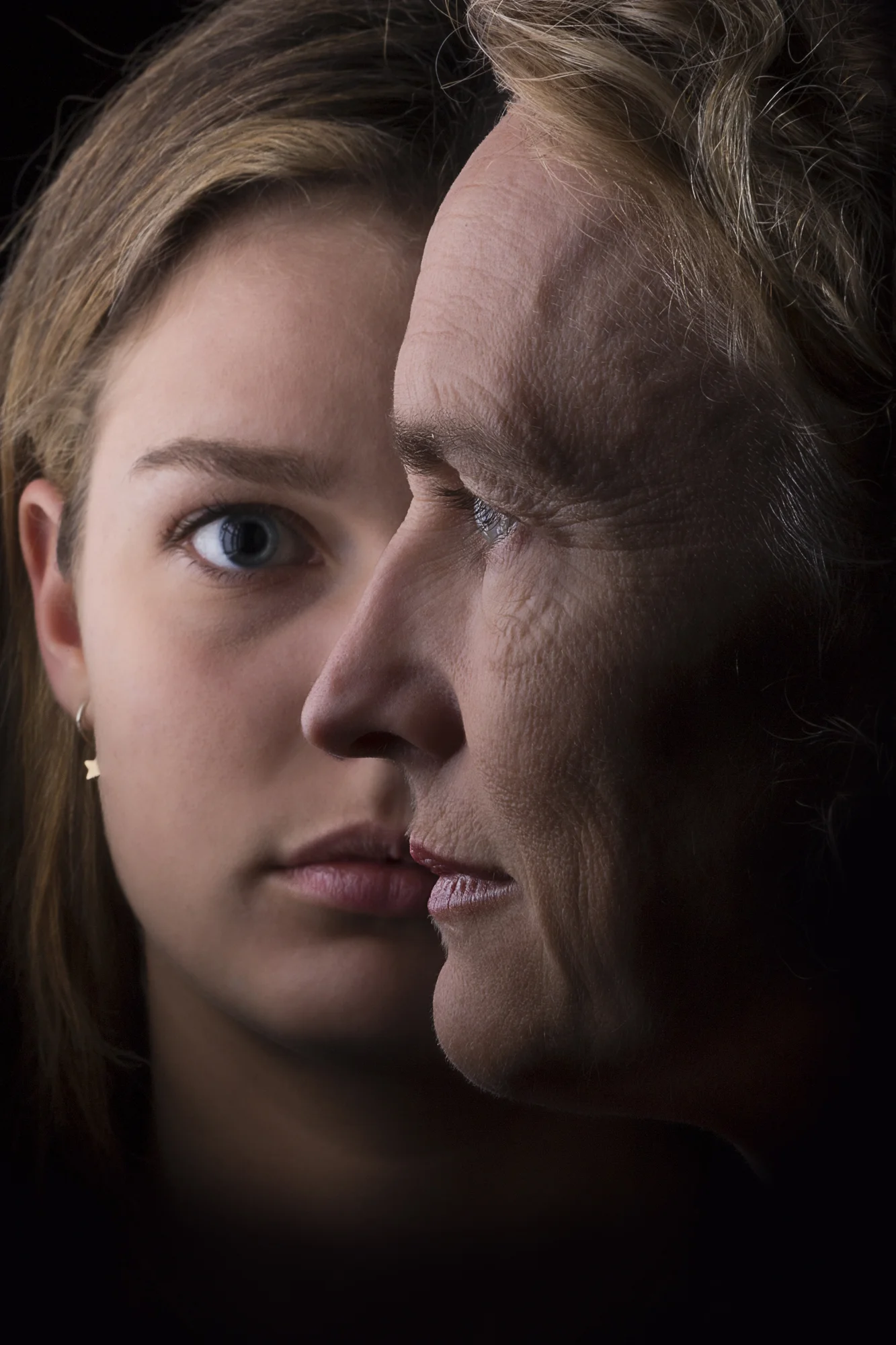
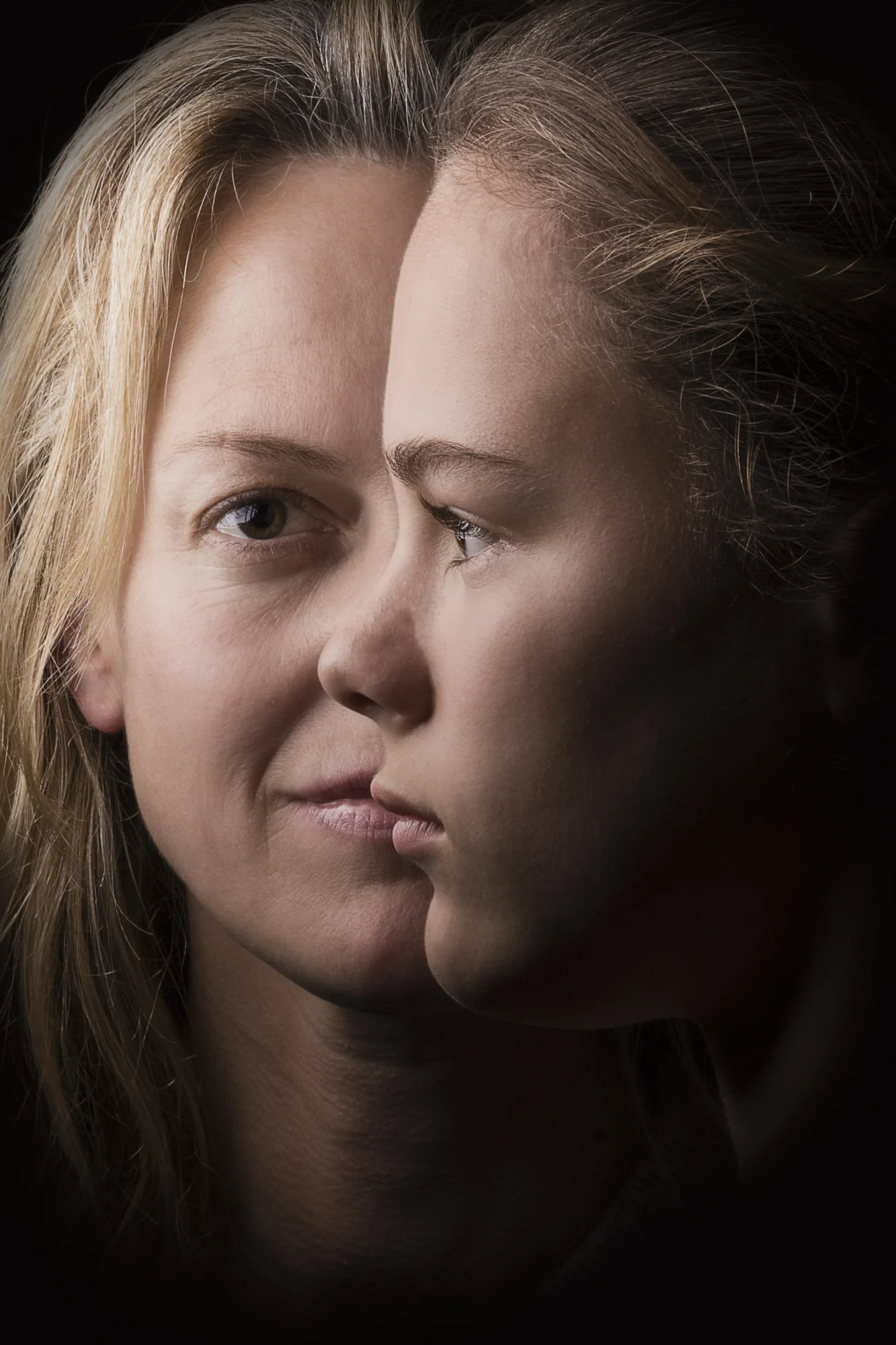
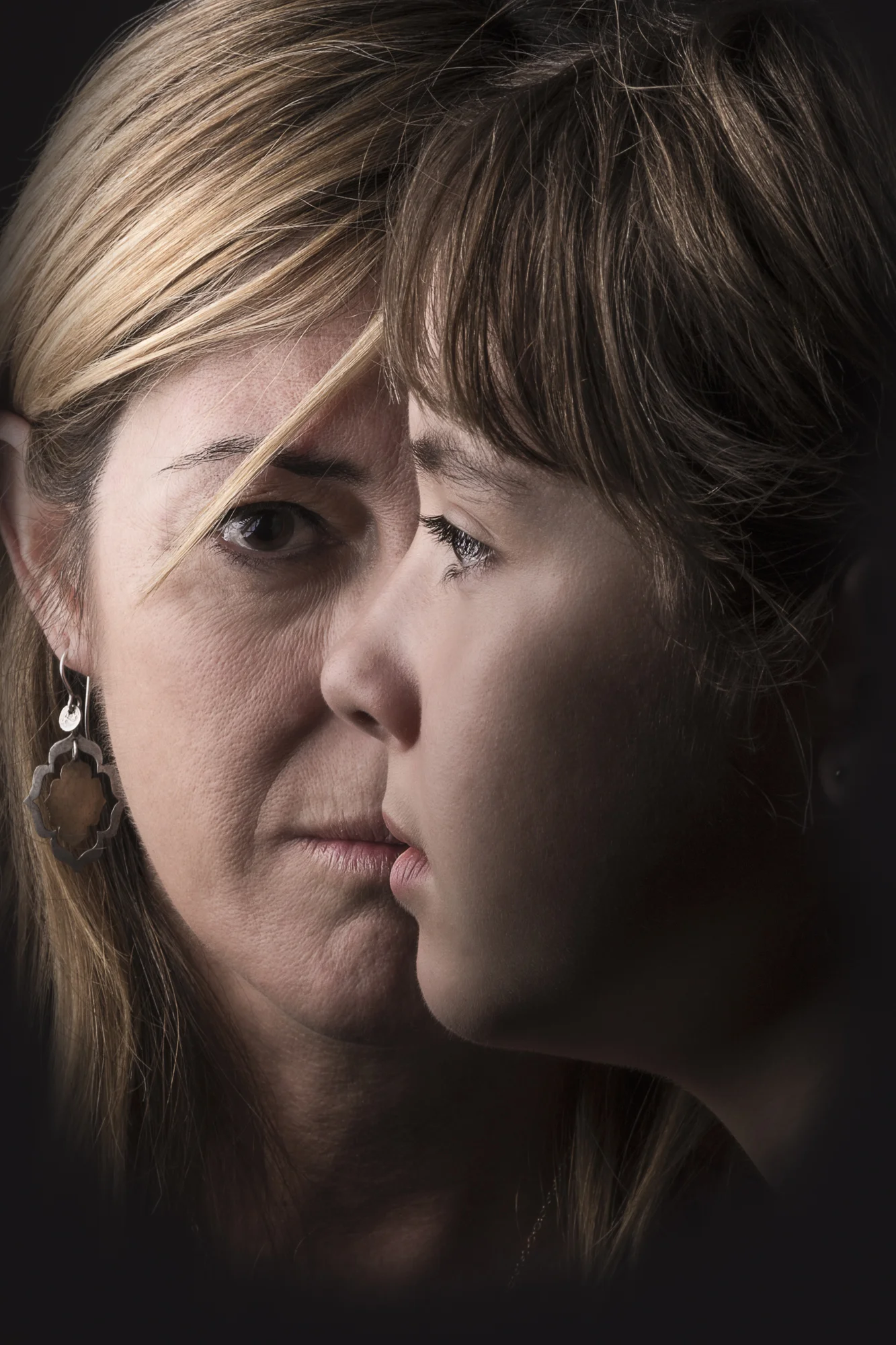
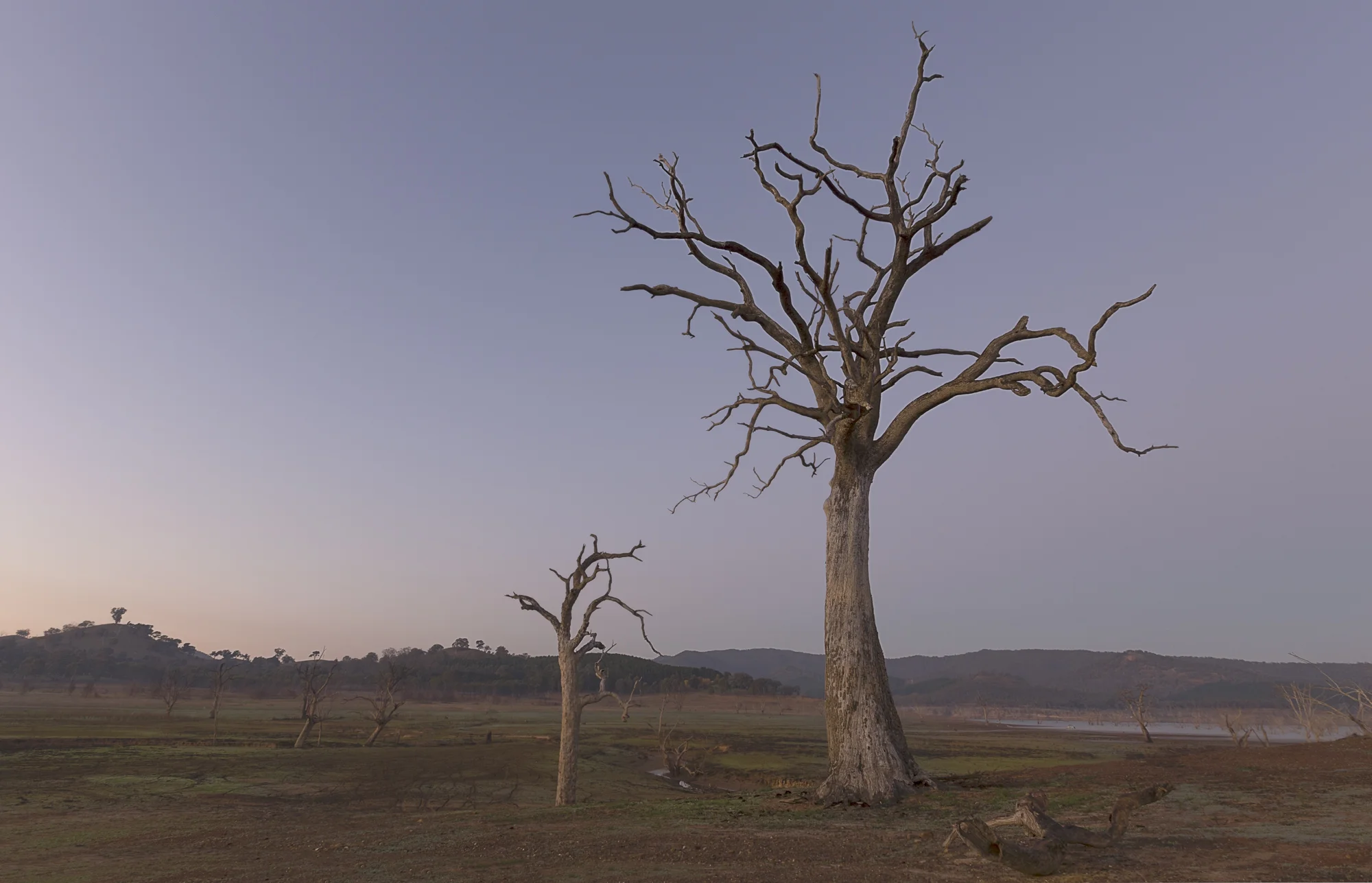
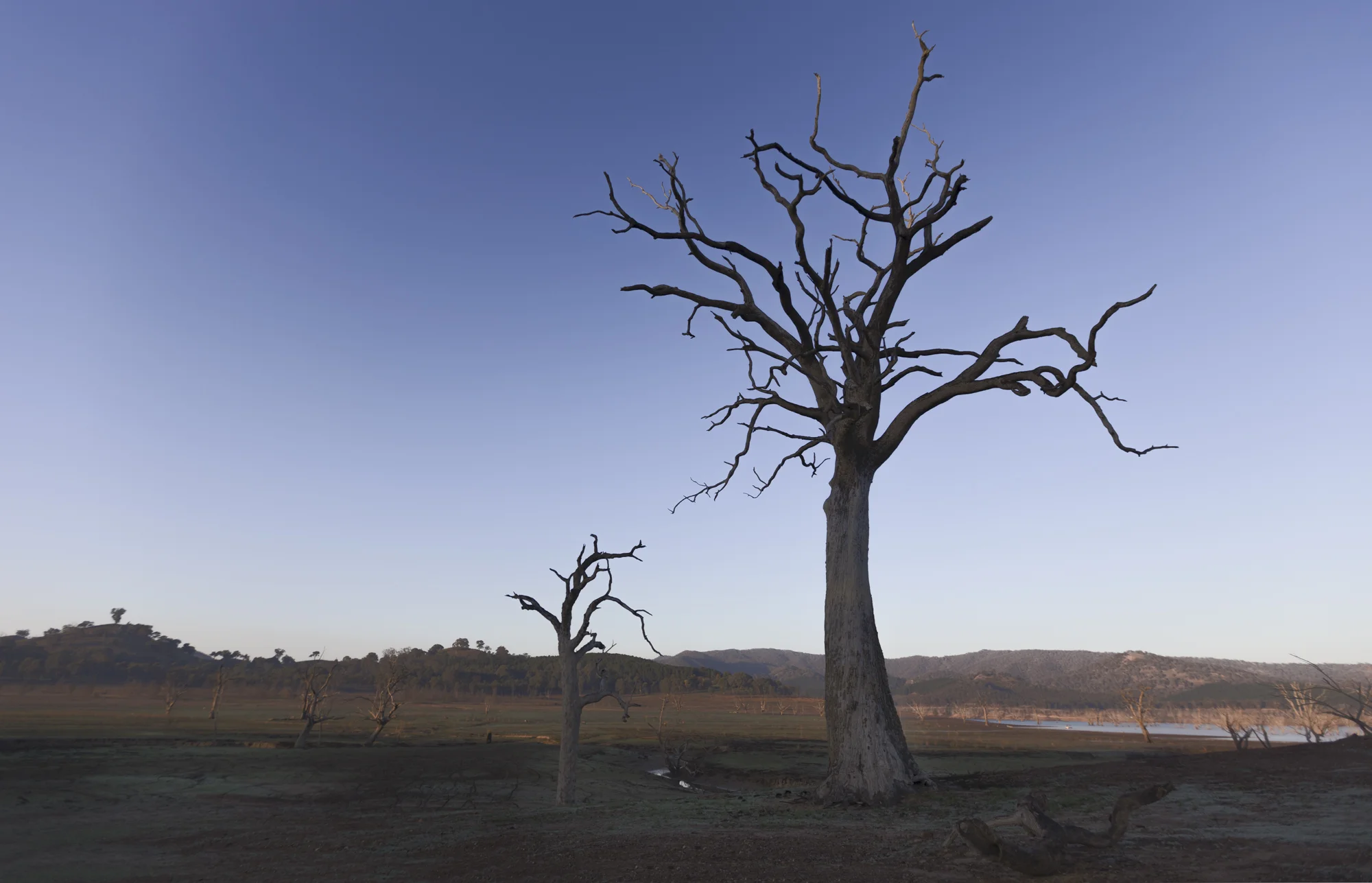
But at the end of the day have submitted the final folio for this Semester. Made up of 3 sections, categorised in Animate, Inanimate and Personal Expression, here are my submissions following. These will be presented over the next 2 weeks to two tutors, and then final assessments received and thats it for Semester B. Been another great semester with lots of new areas opened up and plenty of learning. The more you look into something, the more you realise there is to learn and understand and interpret.
Animate Submission - Portrait series of mothers and their Daughters
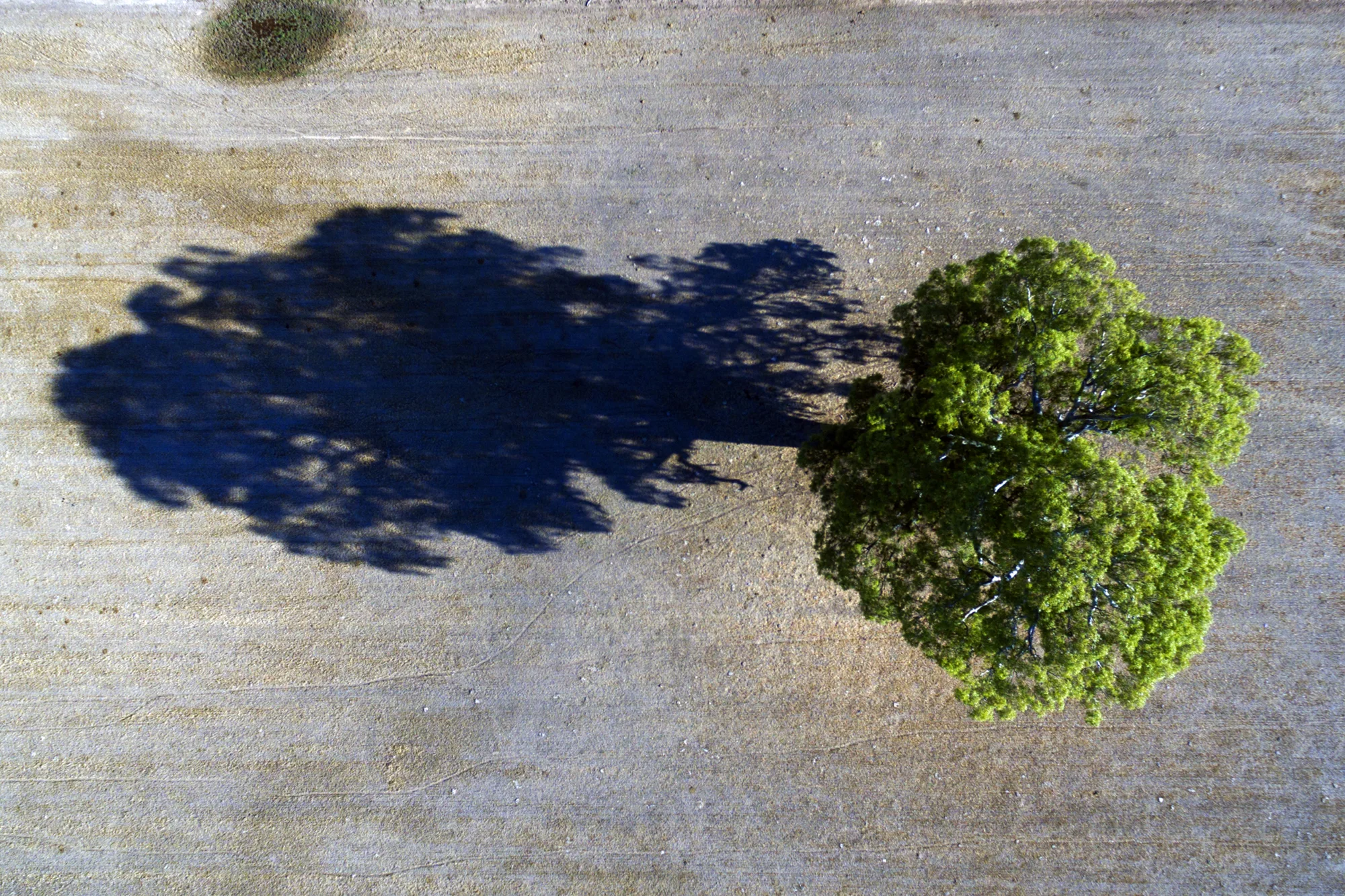
Inanimate Submission - Day in the Life of a Tree
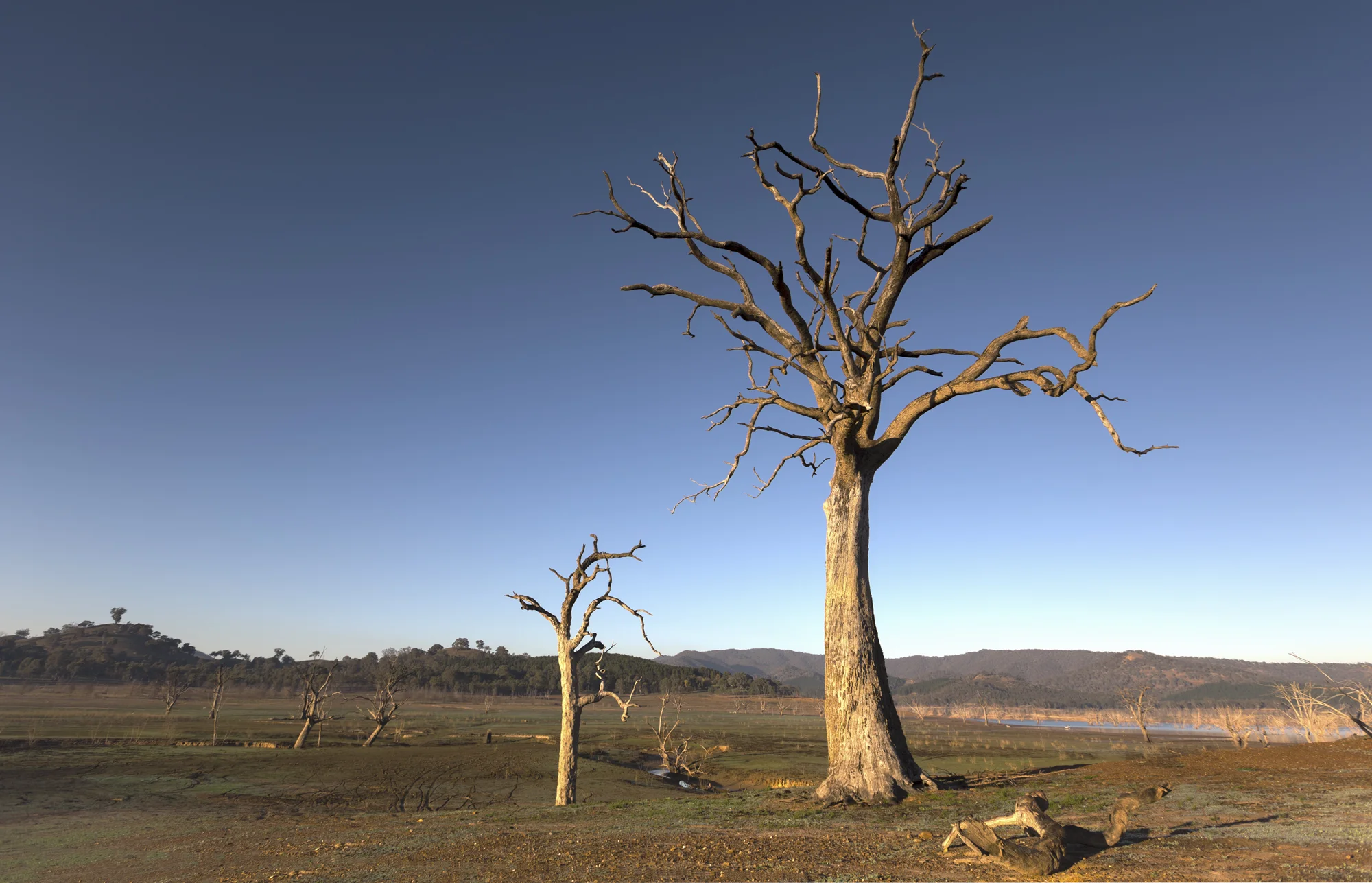
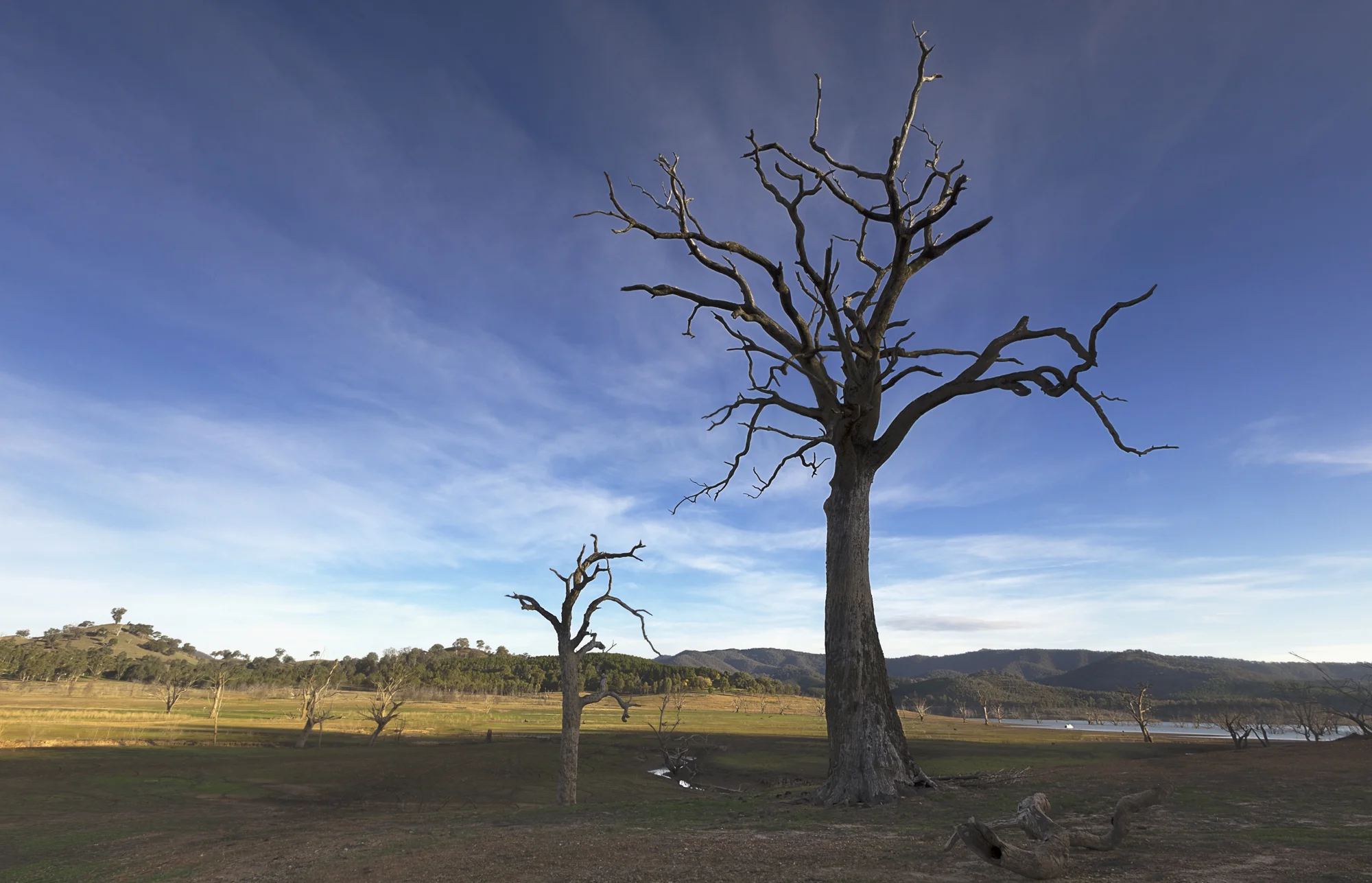
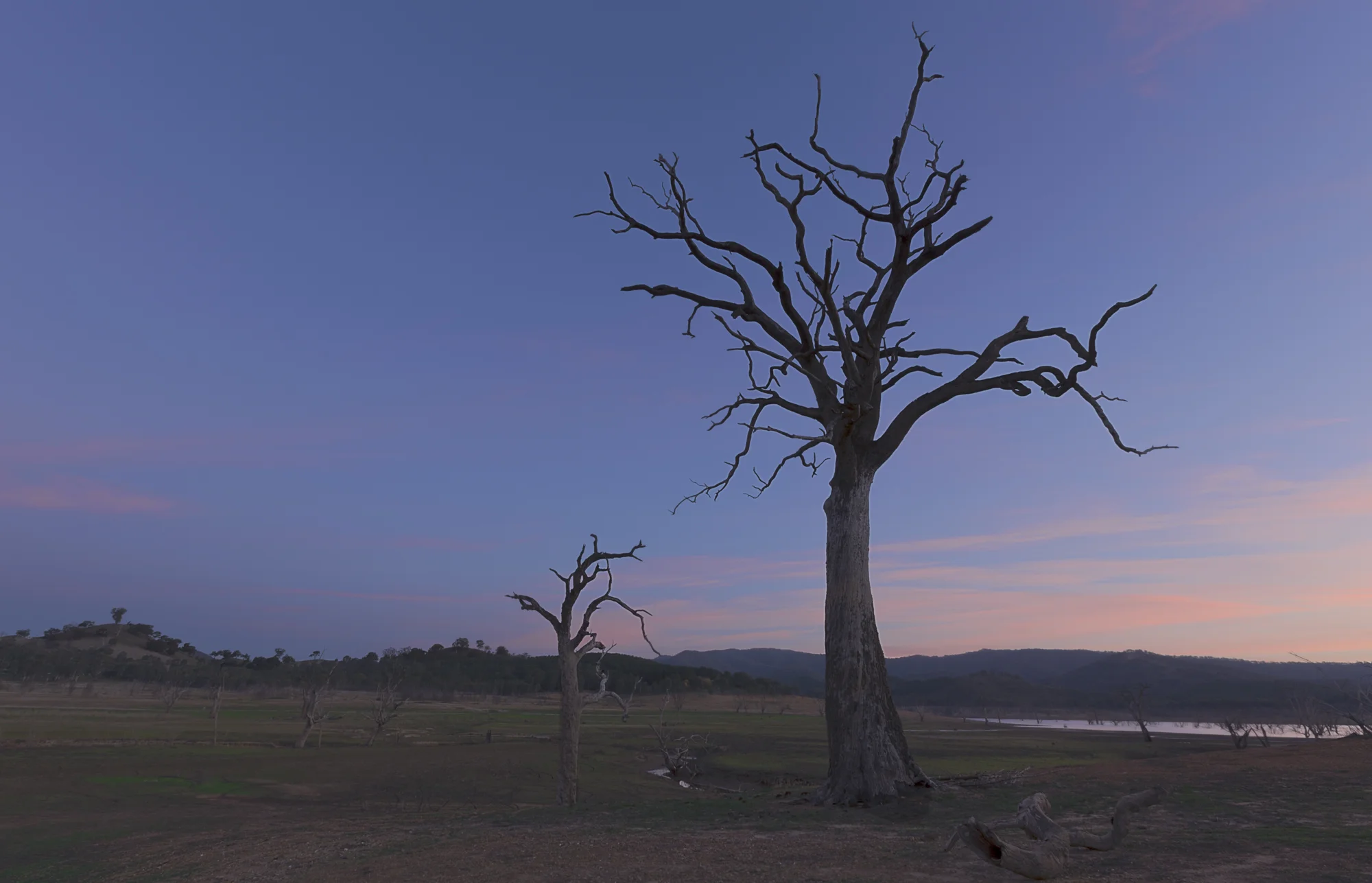
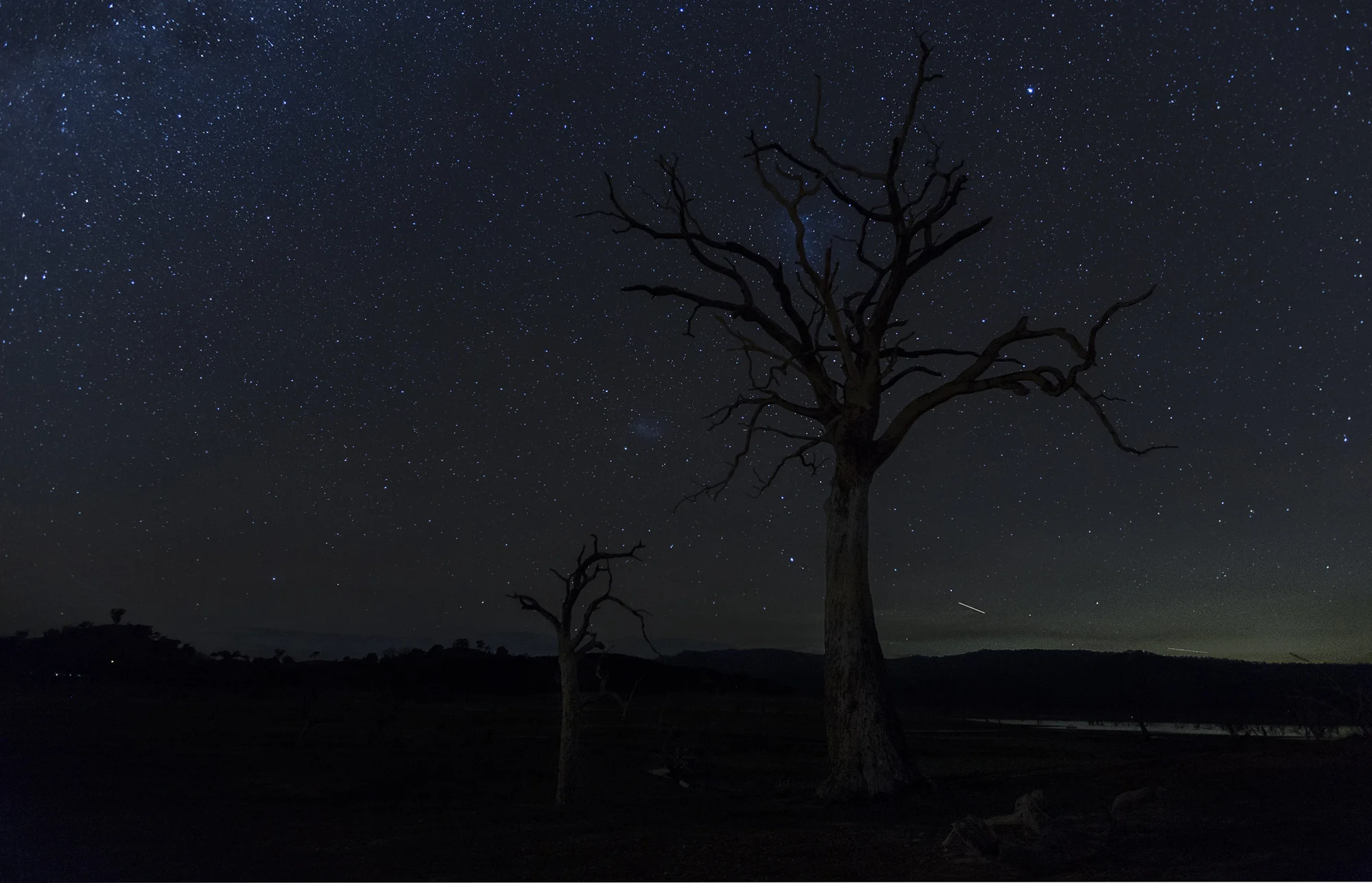
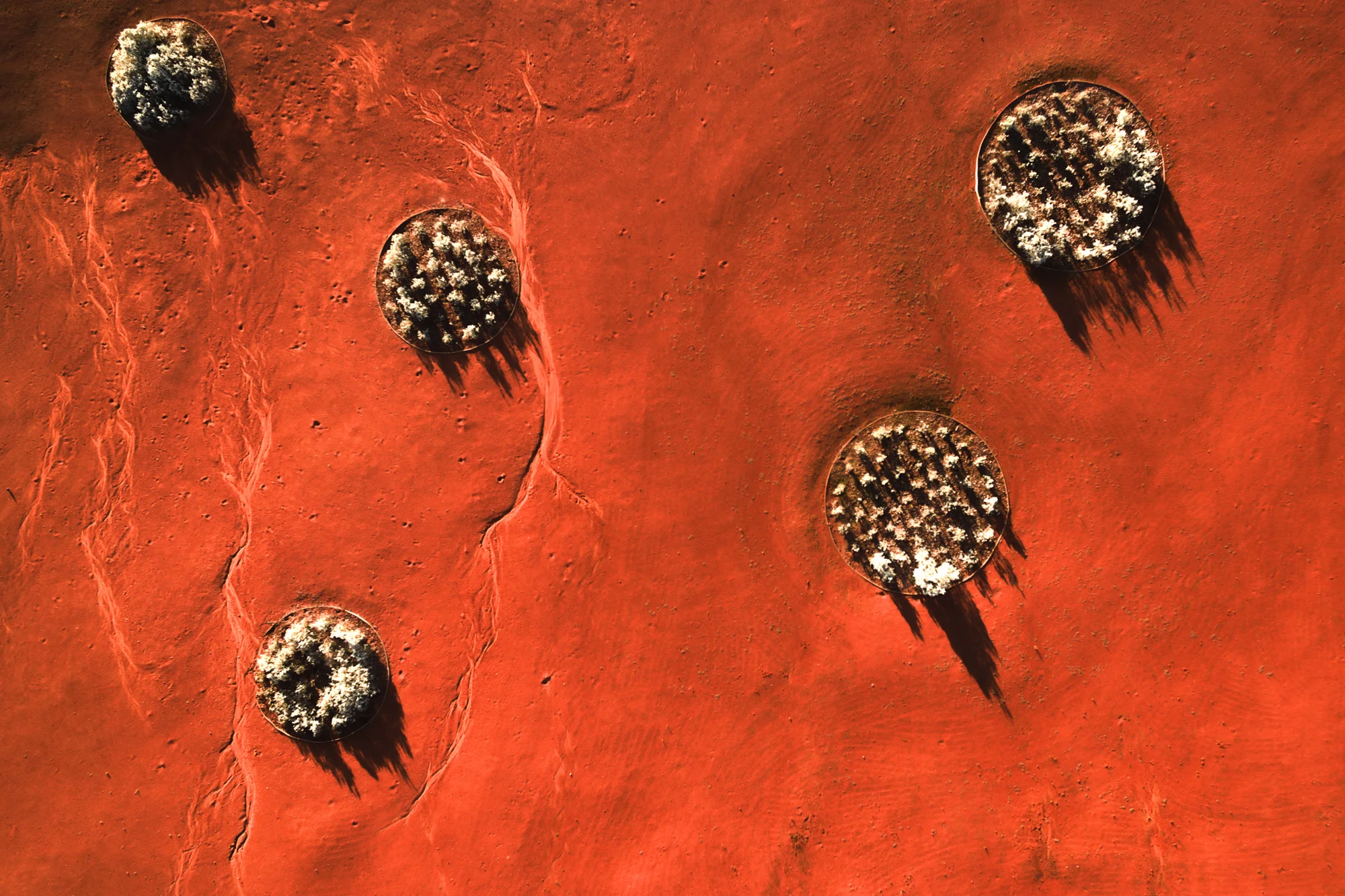
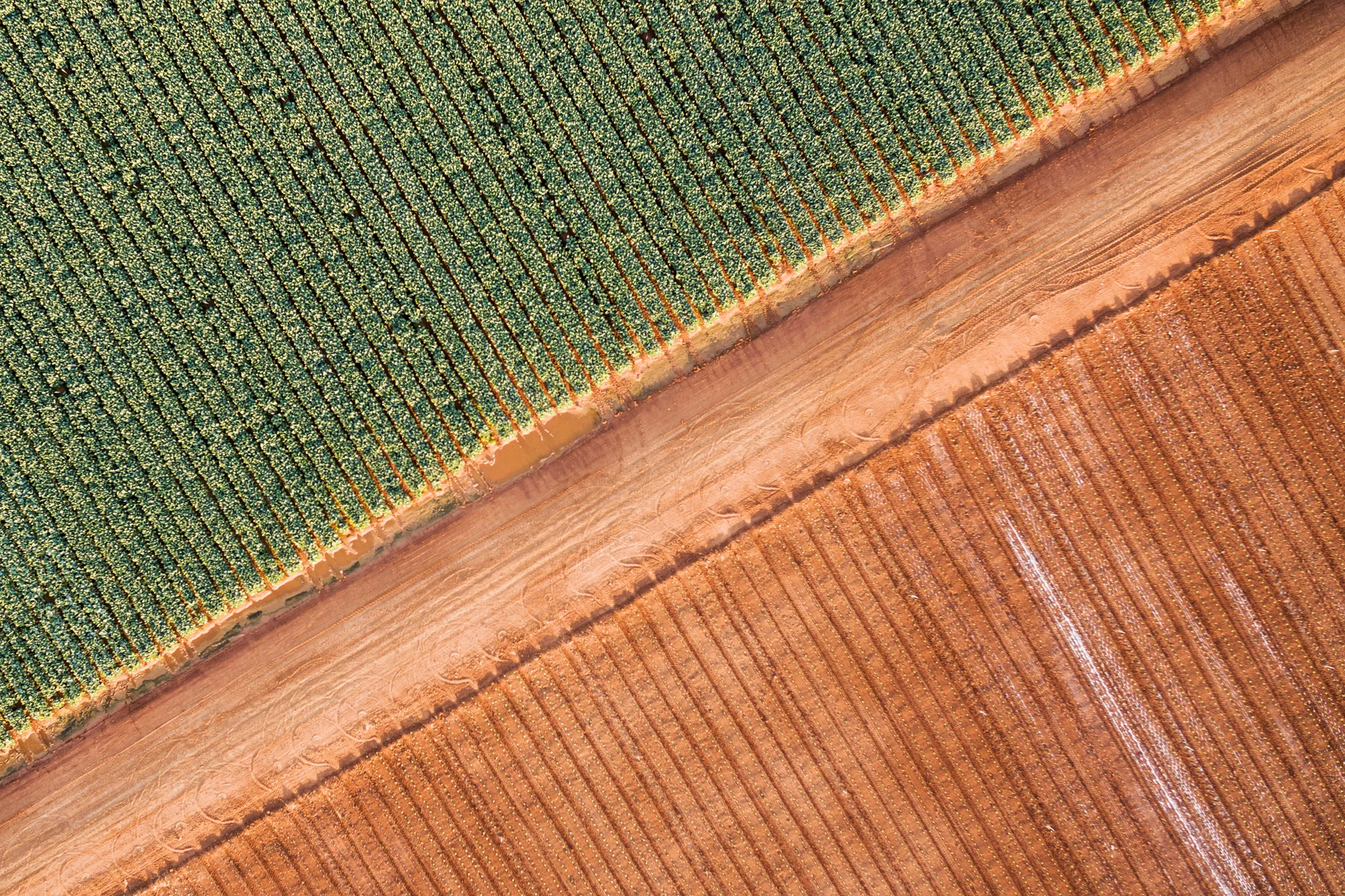
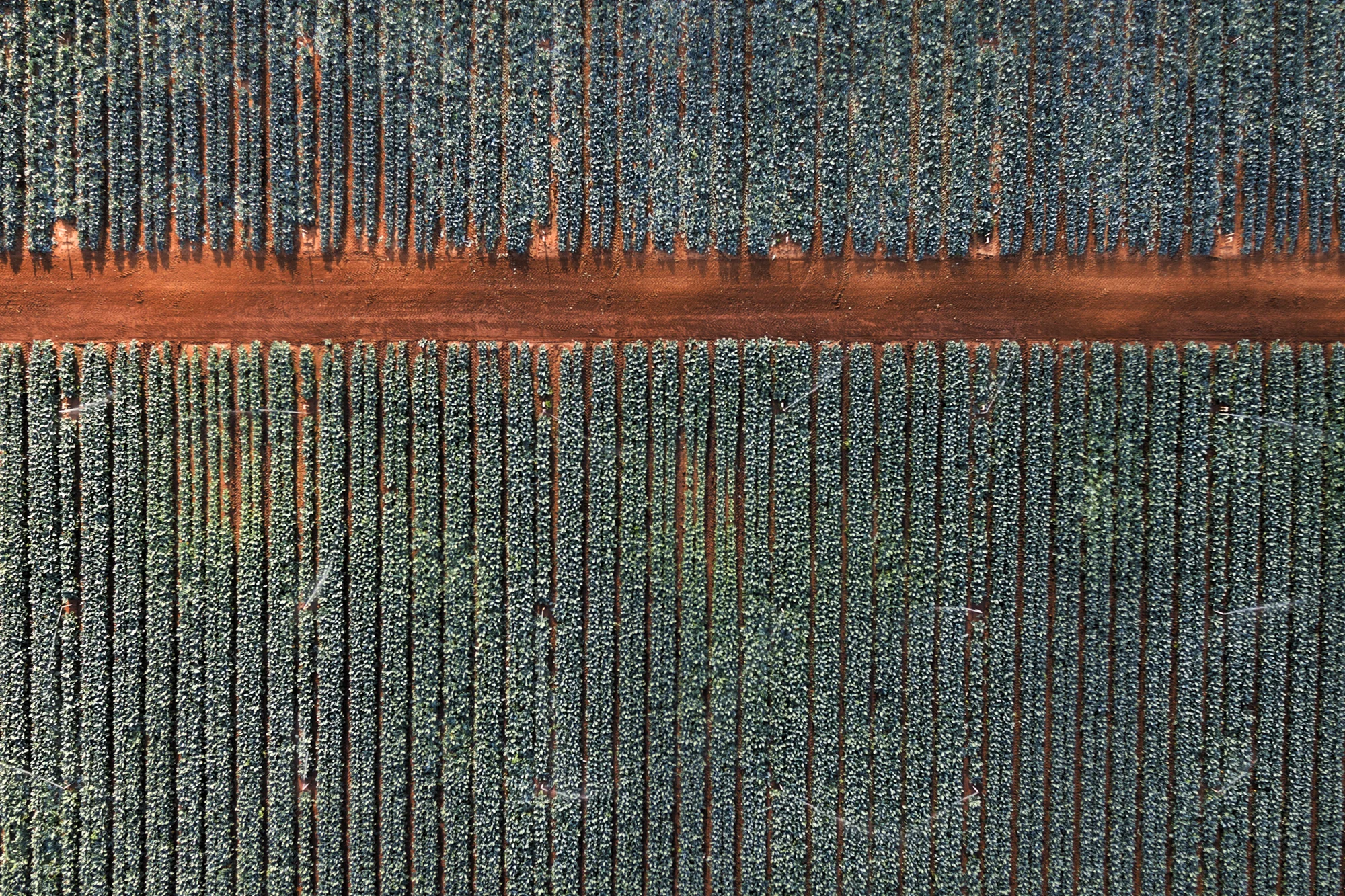
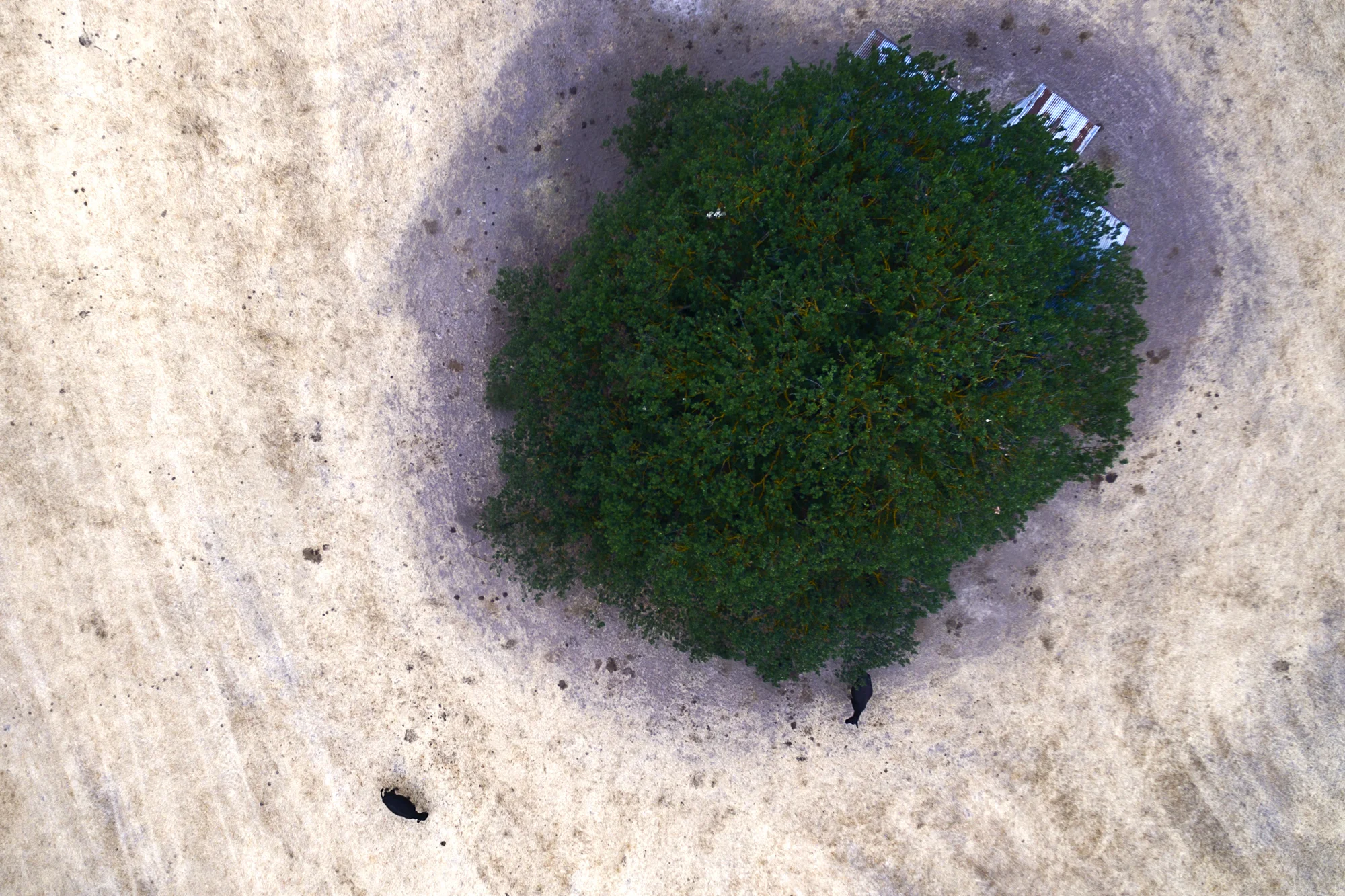
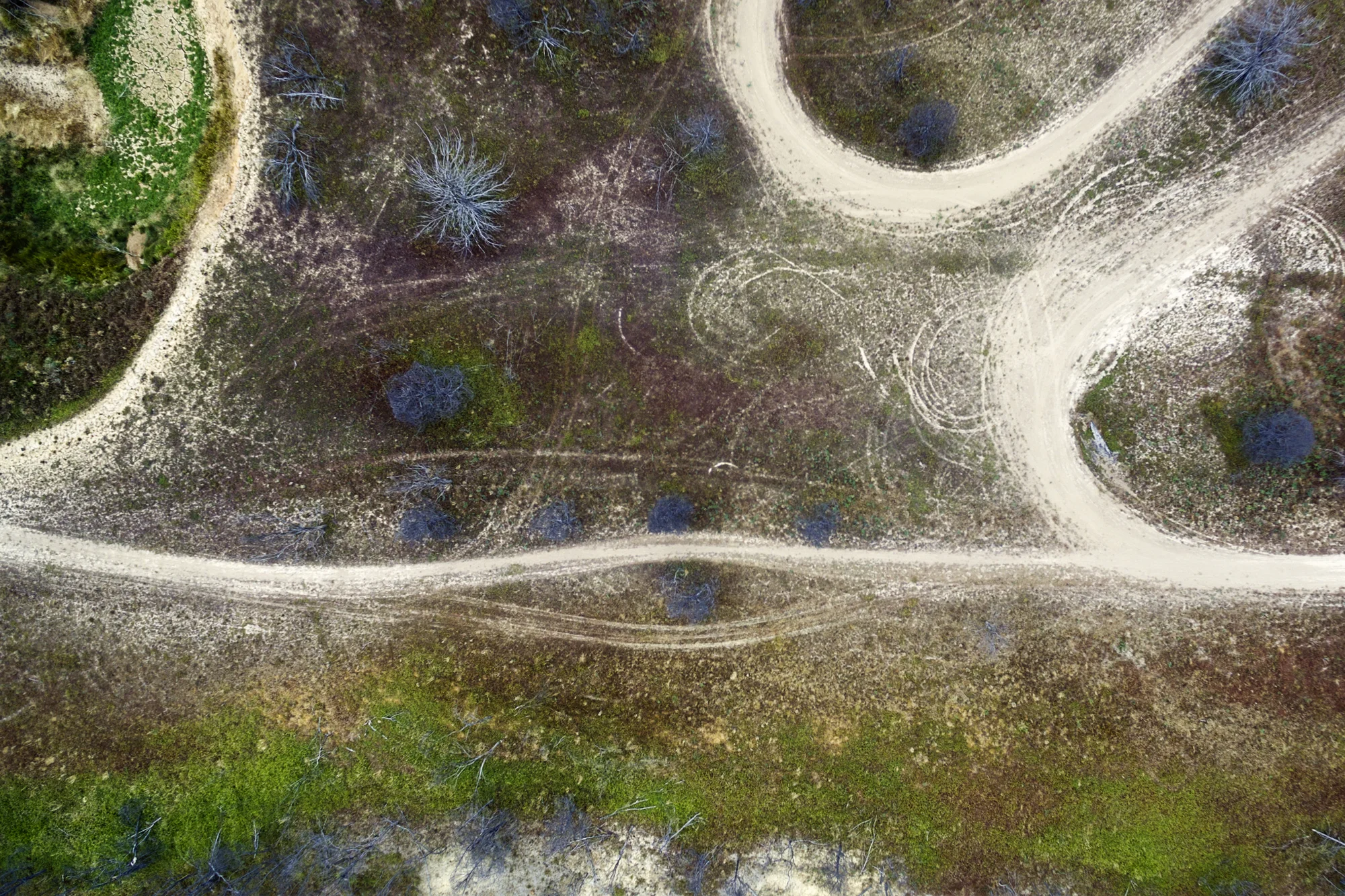
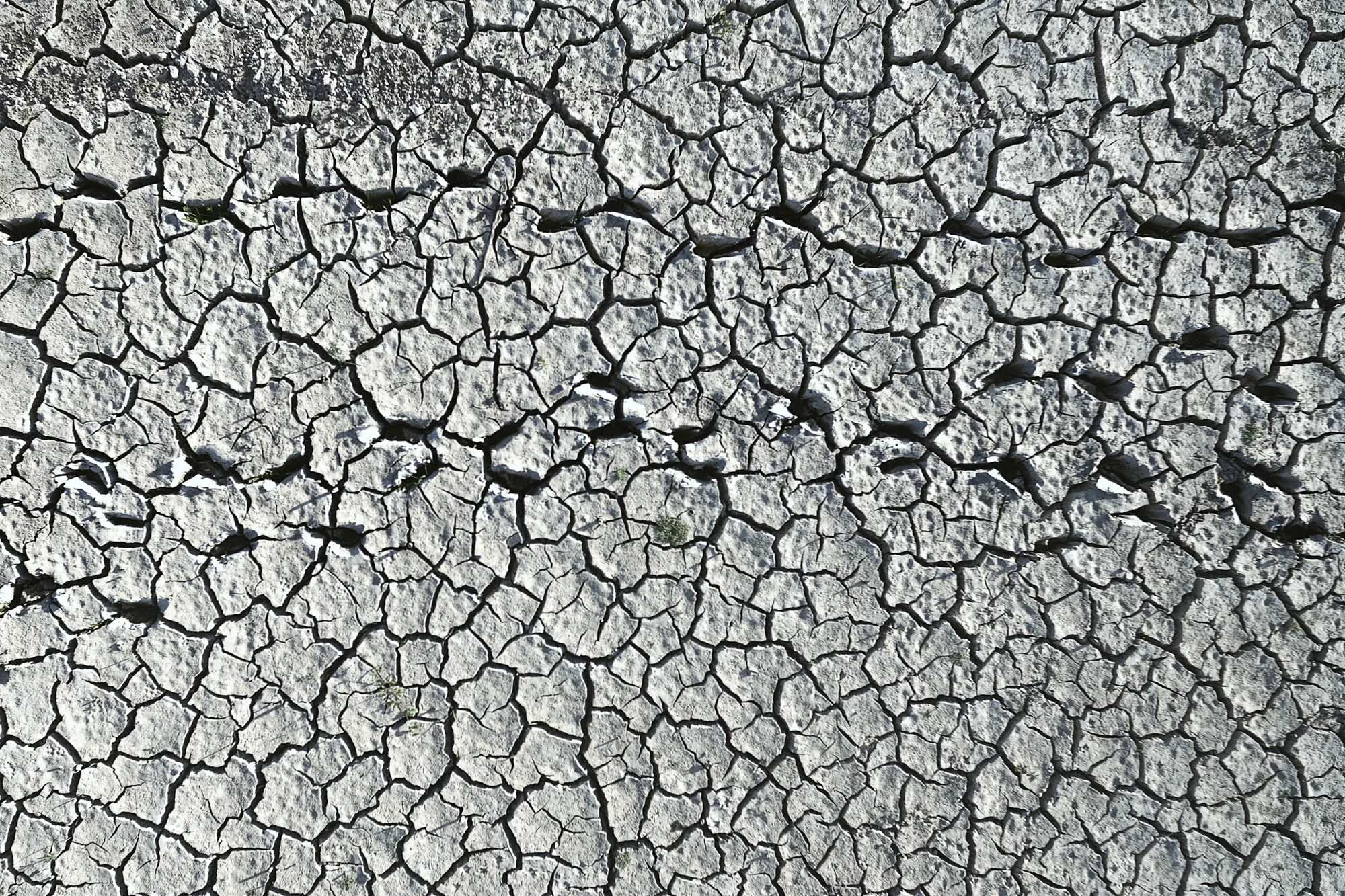
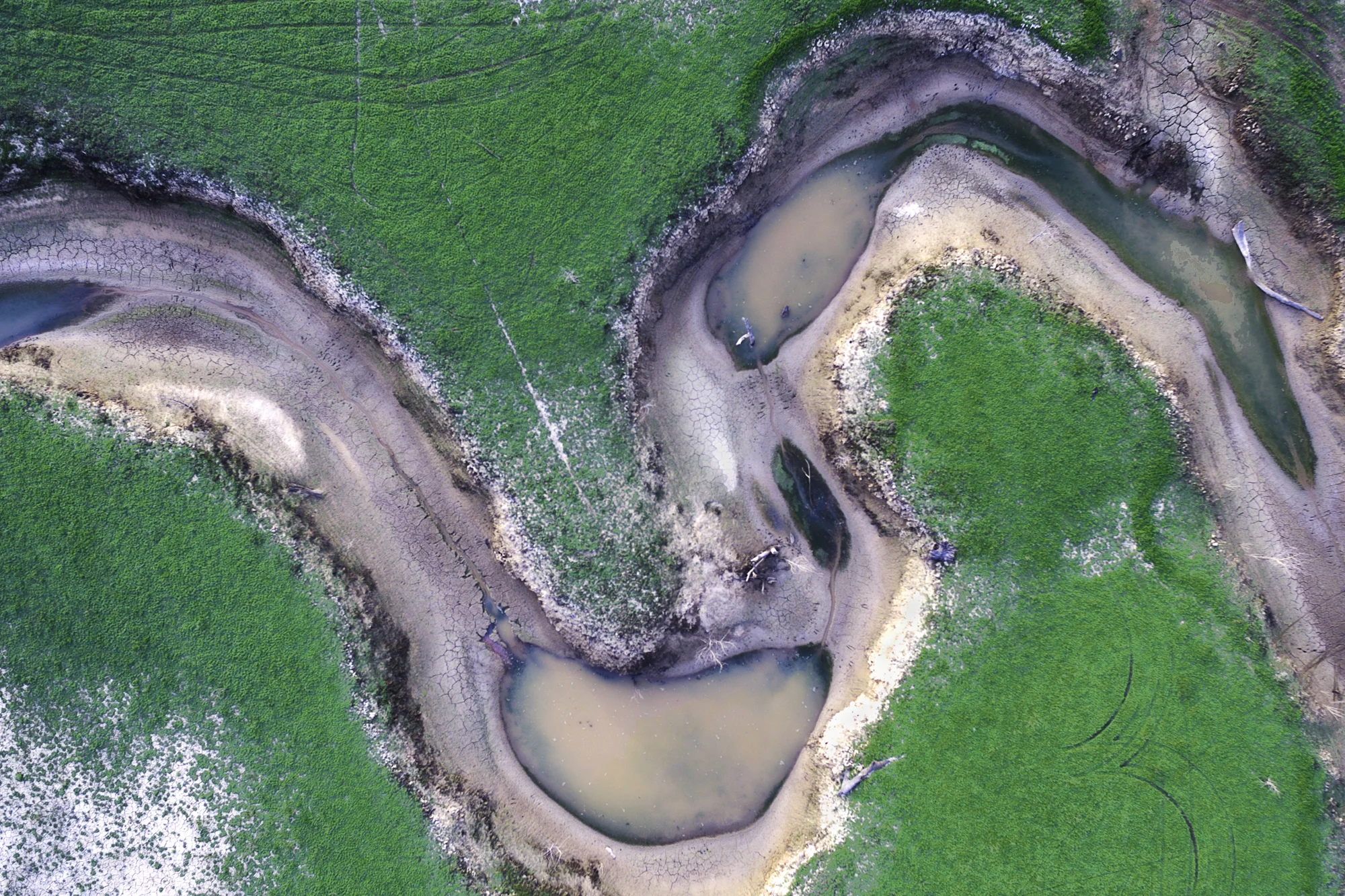
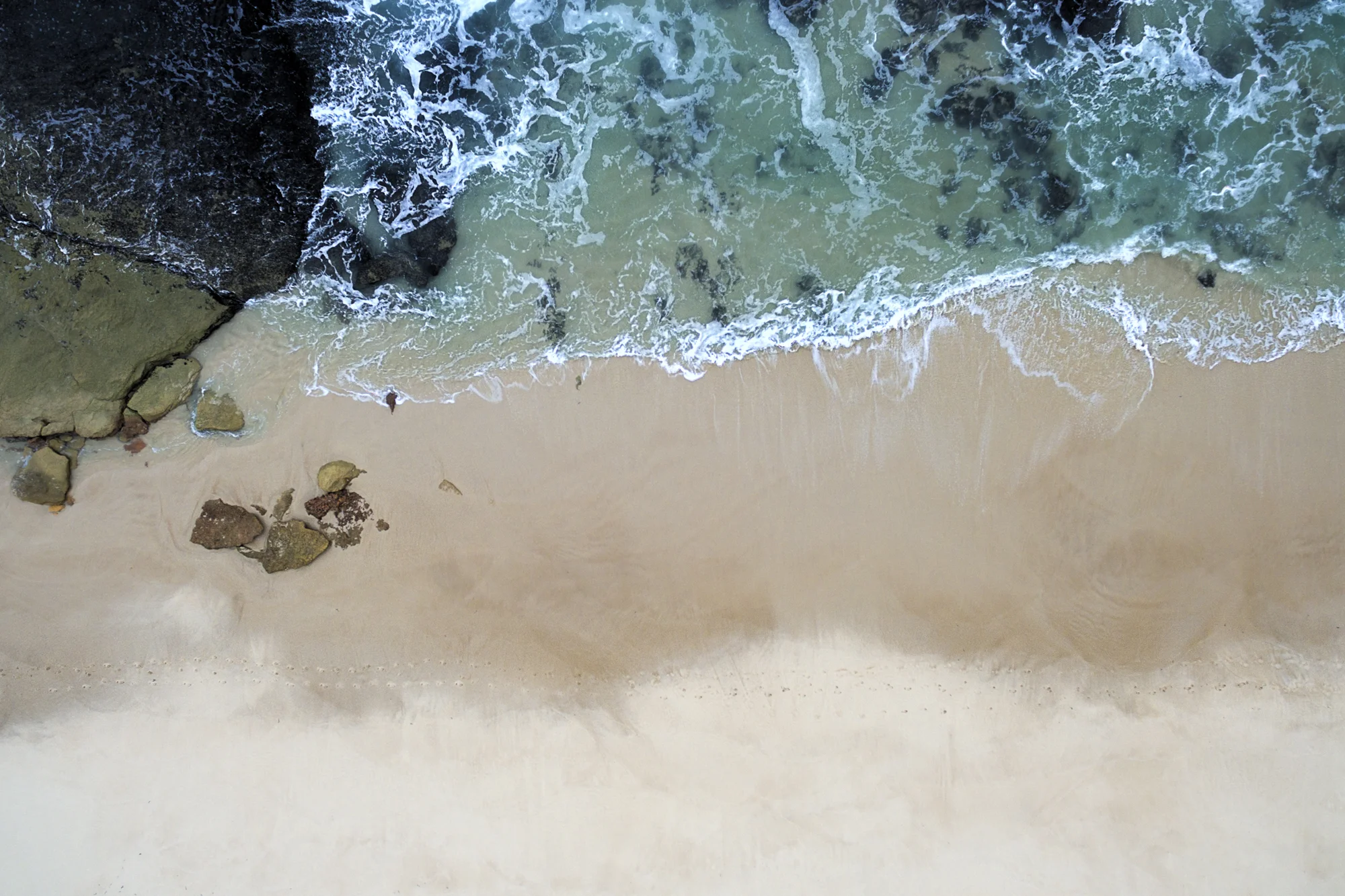
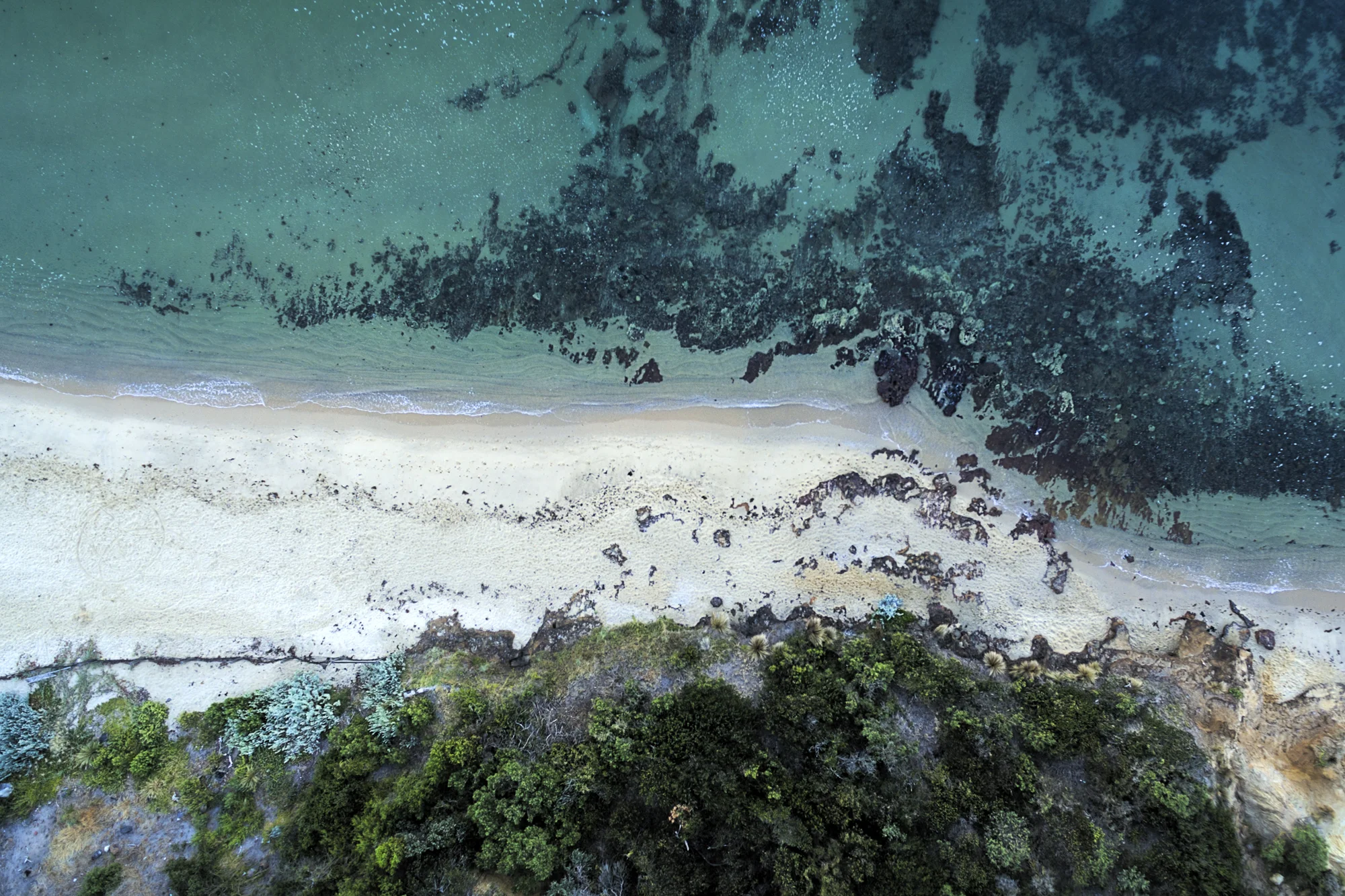
Personal Expression - Exploring Human Interaction with Earth through a series of part abstract landscapes.
Workshop Experience Week 8 and 9 : Urban Environment and Portfolio Discussion
Two weeks worth this time around - exploring Urban environment photography and then working on the concepts I might follow for my personal expression portfolio component.

Week 8 saw us discuss and decipher the world of Urban environment image capturing. I really like this style and was inspired by looking in to the work of Stephen Shore an din particular his series of "Uncommon Places" . A very eerie and beautifully executed series that has really got me thinking around what I could attempt in this genre. Whilst our portfolio at the end of the semester is pretty broad - Personal Expressions series, Inanimate series, and an Animate series - i do want to see what mixture of genres I can use to tell some stories, and Urban needs to be a part of it for me. The idea of capturing normally inhabited places uninhabited is a good one.
Some of the other students showed some cracking atmospheric urban environments images which got me even more interested in exploring this genre further. Its sort of like capturing street shots but making the human subjects less centre of the story, and if they do appear in the frame, they are to be mysterious and non descript and non directly engaged - totally different to other forms of urban photography I have been doing. Intriguing.
Week 9 we were all asked to be prepared to give a quick verbal overview of what our ideas were for our end of semester Personal Expression part of the portfolio. This part of the final submission needs to have a strong narrative, linking 7 to 12 images in such a way as to take the viewer on a journey and exploration of whatever the concept is that you are trying to convey.
The "linking" narrative can be personal, conceptual, thematic, just about anything as long as it grabs the viewer and leads them through the images in a story telling fashion.
Some of my fellow students had great ideas, ranging from a series exploring support and medical dogs and their connections to their owners, a concept of capturing small personal items that have meaning to people and photographing both the item and the person to engage and tell the story, through to ideas to explore food in its various states of the cooking process.
I am thinking of a series along the nostalgic lines I suppose, where I try to capture images that portray the emotional state I was in when I lived in certain places throughout my life, starting from birth. I envisage a series of images showing either the house and its environment to portray the feeling, or a detailed interior shot that conveys the emotional response i had.
Feedback was supportive but cautionary as it may fall flat or disconnected. Will drive on to see what some test shoots produce. Other ideas could be showing the cycle of Lake Eildon from plentiful to dry and where the water goes and what it is used for. The other parts of our portfolio are Inanimate 7 -12 images and Animate 7 - 12 images. Should be able to collect some images around each of these areas. Will see what plays out, but I only have 9 weeks left ! Gulp.
Update : We had to submit 2 assignments this week too. One assignment was 1 image from each of these genres : Straight Portrait, Group Portrait and Environmental Portrait. The second assignment was to be 3 images from one or any of these genres : Traditional Landscape, Urban Environment, and Architectural.
Following are my submissions. Until next time!


Workshop Experience : Semester B Week 7 Landscape and Architecture
Week 8 and we are now looking at Architectural and Landscape photography, two genres I have avoided a fair bit so will be a steep learning and creative curve for me. Hoping to get up to some country locations next week to try and get some frames.

After the fun and excitement of studio portraiture things changed gear this week and we entered in to some new areas for me - and areas that I need to understand better and improve upon - being Landscape and Architecture.
Although I do do some landscape work with my flying camera and try to abstract out the urban and rural landscapes around me, this week was emphasised as "traditional" landscape - being an image with a foreground, middle ground, and background, where nature is the key element in the frame. So there goes my aerial work ! But this is a good thing for me, as I rarely take my standard Canon out and shoot landscapes - a challenge will be had. There are so many technical aspects to landscapes - filters or not, long vs normal exposure, hyperfocal distances, sturdy tripod, isolated areas where things can go wrong, etc etc.
I will try and keep it simple and try and capture some frames up near my friends farm in Mansfield Victoria, and I will use the following gear to try and do it :
- Good sturdy tripod and my Canon 6D with the 16 - 35mm lens
- will try our my 10 stop Big Stopper filter, as well as the trusty polarizer (to try and remove reflections and sun shine form water etc) and a 3 stop graduated ND filter such that I can adjust the tonal values of the bright sky whilst maintaining expose to get detail in the shadows of the ground or trees or whatever it may be - lot of trial and error here
- will be using bracketing to ensure i get every bit of tonal value I can and detail
- have fun and hopefully see some great aspects of the land. Ansel Adams will not be in any danger.
The Architecture aspect of the portfolio will be even more challenging.
There are no shortage of great buildings in Melbourne so the challenge is to get the interesting composition and the camera craft right to get the right image. We learnt about Trevor Mein and John Gollings and how they make this genre of photography so engaging. Really quite inspiring as I would never have been interested in shooting buildings otherwise.
Will be getting out and exploring some buildigs this week both early in morning and at night hopefully.
Workshop Experience : Semester B Week 6 Documentary Portraiture
Big week again - and weekend. In class it was all about Street Portraiture and interacting with strangers to get a shot and live to tell the tale. Lab time was spent looking in to setting up print runs and proof read prints etc. We also had an extra two days over the weekend spent deep diving off camera flash and studio portraiture. Great experience and awesome learning environment with our two weekday teachers.

This week was all about street portraiture and getting out there amongst it and trying to capture both posed and unposed street portraits.
Melbourne Australia is a funny place to shoot street. Most of the time people are more than happy to pose or get captured unawares. Obviously you need to pick your subjects as some people simply do not want the intrusion which is absolutely fine. But given that even our busiest streets are pretty empty by global big city standards, you really cant help but get noticed by people when taking photos on the street - no matter how small and discrete your gear is.
And I find at night that it is always the more edgy, drunk and or messed up people that spot you first and then have to know what is going on, even when you have not shown any interest in getting their image ! Its quite funny.
Then you get the people that are just dying for some interaction and attention, and would gladly pose for any amount of time to help you get a shot.
Having shot some street in a number of cities around the region, it is easier in the highly populated ones to stay hidden and discrete rather than the less populated areas, but Melbourne is also good too because at least its home and you can get a better general insight in to what may be going on around you and choose accordingly.
After some on deck time out and about shooting some street portraiture, in our lab class this week we were going through how to prepare our photos for print. This side of the learning is really interesting - how to interface with external capabilities such as printers, the naming conventions used, the ways in which they like to receive their orders, etc. We also learnt how to set up the right templates in PS to enable a proof run first, then we can check the images, then press the big go button for full scale printing. All good stuff.
I actually just got some 1m by 1m prints done of some aerial abstracts and I am really happy with the results - and the cost. I used CPL Digital in South Melbourne and can't recommend them enough. Very helpful and supportive team that work there, great online process to upload and request your print jobs, and a real hands on customer interaction which I enjoy.
The weekend just passed was also an extra part of the course - a weekend spent focussed on using off camera flash both outside and in a studio. PSC do this well - and so they should as it is an extra cost - but you get two teachers hands on for the weekend and access to all their expertise and experience. Its really very unique and a great learning environment and experience.
This one we spent day 1 out in the streets and lanes of Melbourne using off camera flash and reflectors to get a more sophisticated style of portrait (hopefully!). Day two was spent all in doors and in the PSC studio - playing with off camera flash, flash compensation, umbrella spill, and backdrops. Learnt so much, and realised again how much there is still to learn. The two teachers ability to analyse and problem solve a lighting situation and get it setup in next to no time was great to watch and be around... will get there in a decade or so hopefully!

Workshop Experience : Semester B Week 5 Portraiture
Week 5 proper in class and we are getting all over portraiture photography !
This week we went through in detail the different genres of portraiture and how the particular genre is to be shot to get the best effect. Portraiture I love but have only really played with street style portraiture - randoms stopped in the street and posed in the street environment at the time. I am looking forward to the studio style portraiture we now need to play with.
Our portfolio will need to cover :
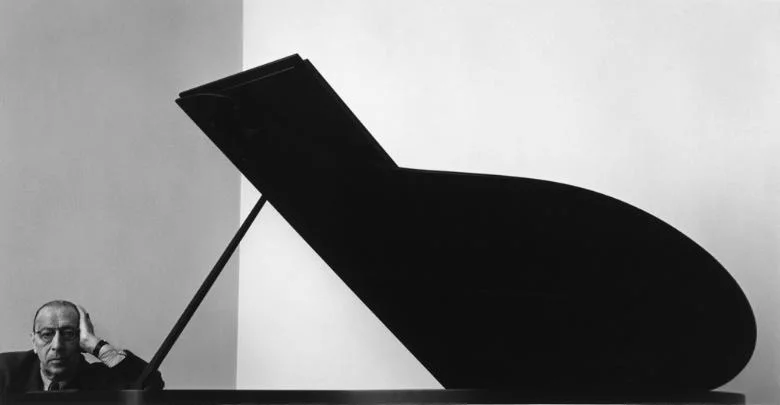
- Environmental, where we capture not only the subject but also the surrounds to help add to the story we are trying to tell. Eye contact is critical for this genre. Check out the work of Arnold Newman to see how a legend does it
- Group, being 3 or more people. Location and capturing how the group relate to each other is key. And is probably the hardest to achieve a good result.
- Straight, being your classic head/shoulders in to the lens type portrait. Background/surrounds less important and its all about the engagement in to the camera of the subject.
We have only just started on the lighting options around portraiture as well, but I will now start using a small off camera softbox flash capability as well as a reflector - will see what the results are like soon enough!
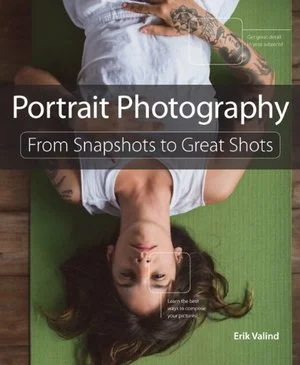
I picked up a pretty easy to read and instructive book on portraiture as well.
©Erik Valind
What I like about this book is you start out with understanding basics and the genres and camera settings and lenses etc, and then within chapters you are getting instruction on 2, 3 4 light source portrait setups either in a studio or outdoors. Really easy to follow, great examples of before light and after light portraits, and great step by step set up instructions and ideas. A great read for beginners and intermediates and especially because it doesn't push for equipment purchase and rather lets you see what can be achieved with a minimal kit list eg. a camera and maybe a off camera flash set up with a reflector. I found it very helpful in reinforcing in detail what we are learning about in class, and the light set up instructions and pictures are worth their weight. I recommend getting a copy if you are keen.
In the meantime, check out these great examples below from some masters !
©Arnold Newman
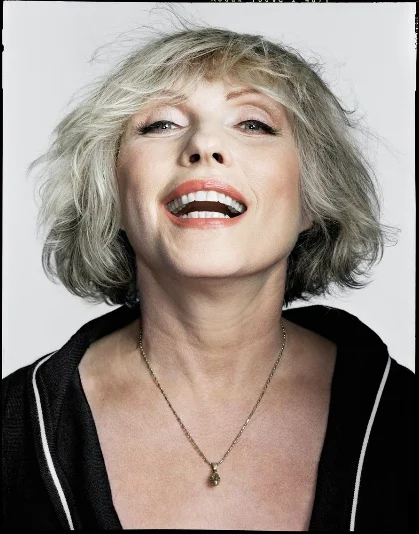
©Dan Winters

Workshop Experience : Semester B Week 5 Digital Lab
Week 5 in the digital lab and our Photoshop understanding is getting more and more detailed and intricate .
I have always found the lab sessions that are part of our course the hardest. I know my way around a computer ok and I can learn software programs like LR and PS enough to be dangerous - and thats the issue I have - I dont know if I want to get good at post processing because its a big black beautiful hole that I could find myself getting lost in forever!
The power of post is amazing in todays age of excellent applications and awesome user interfaces. Couple with the large amount of raw (RAW) data that you can capture from even an entry level DSLR, and bingo - you have the recipe for hours and hours of processing fun and betterment. Maybe.
With even my limited exposure to photography, getting it "right" in camera was one of the early doctrines I try to live by when capturing images. And even if it isn't right, live with it and improve the next time, and the next. So learning my way around Lightroom (LR) perfectly matched this view - LR is powerful enough to do some funky things, but easy enough to do just basic adjustments and then move on.
Now that I am getting more and more exposure to Photoshop CC (PS) I am understanding more the amazing array of adjustment and enhancement capabilities we can now deploy, if we know how and where to apply them.
And that is the balance I suppose - we all see images that have been pushed way too far in post, over worked with the clarity slider or way too much contrast for the image, or dodged and burnt in to pixel heaven - but there is a style in that as well and in the right hands and pen/mouse, works.
I will continue to try and get my head around all the power that is within PS and in particular for landscape and environmental images, will use these skills to hopefully improve the image overall.
Below are some before and afters using just entry level PS capabilities - Tonal Adjustment Layers, Masking, and Dodge and Burn.
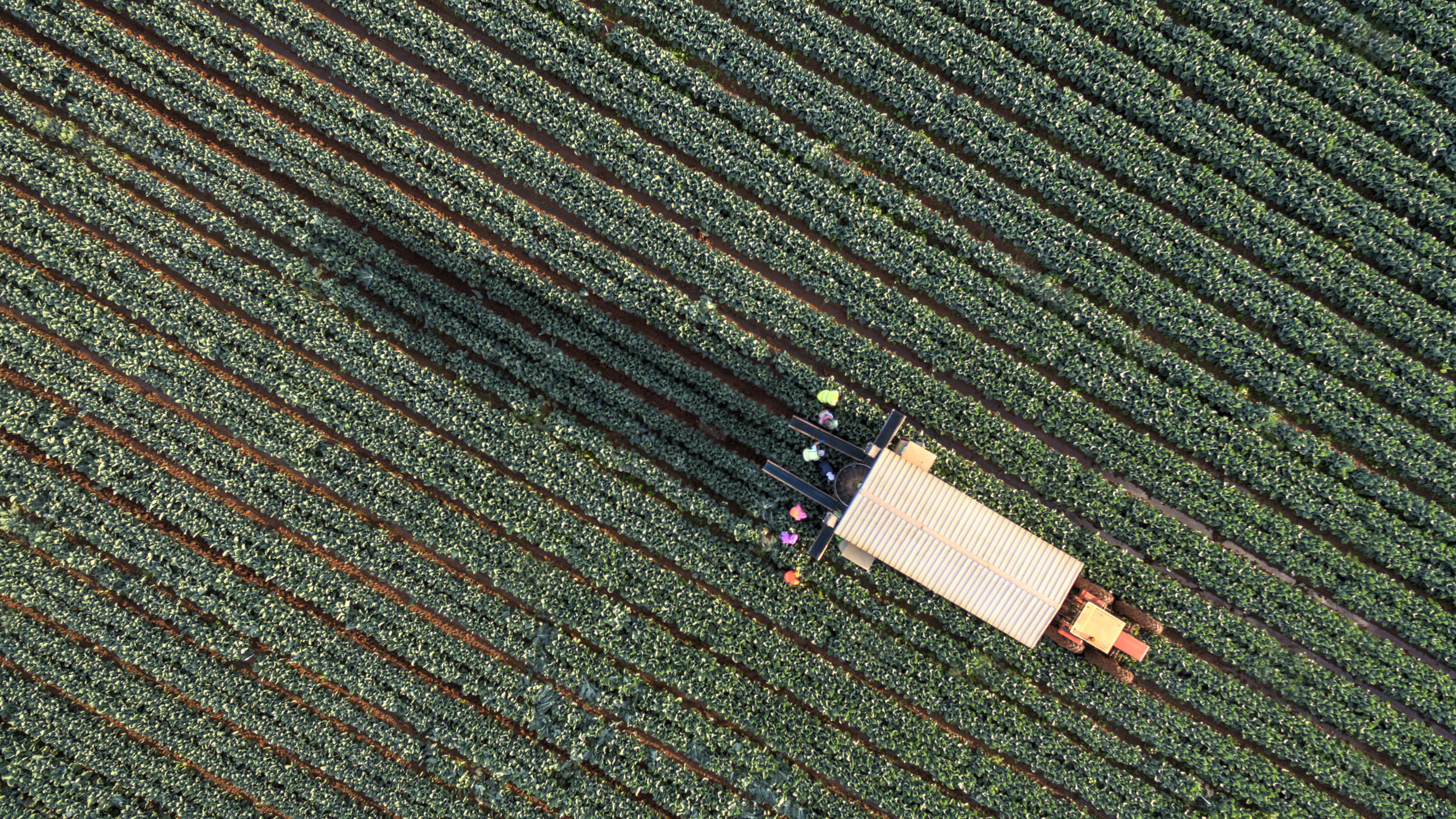
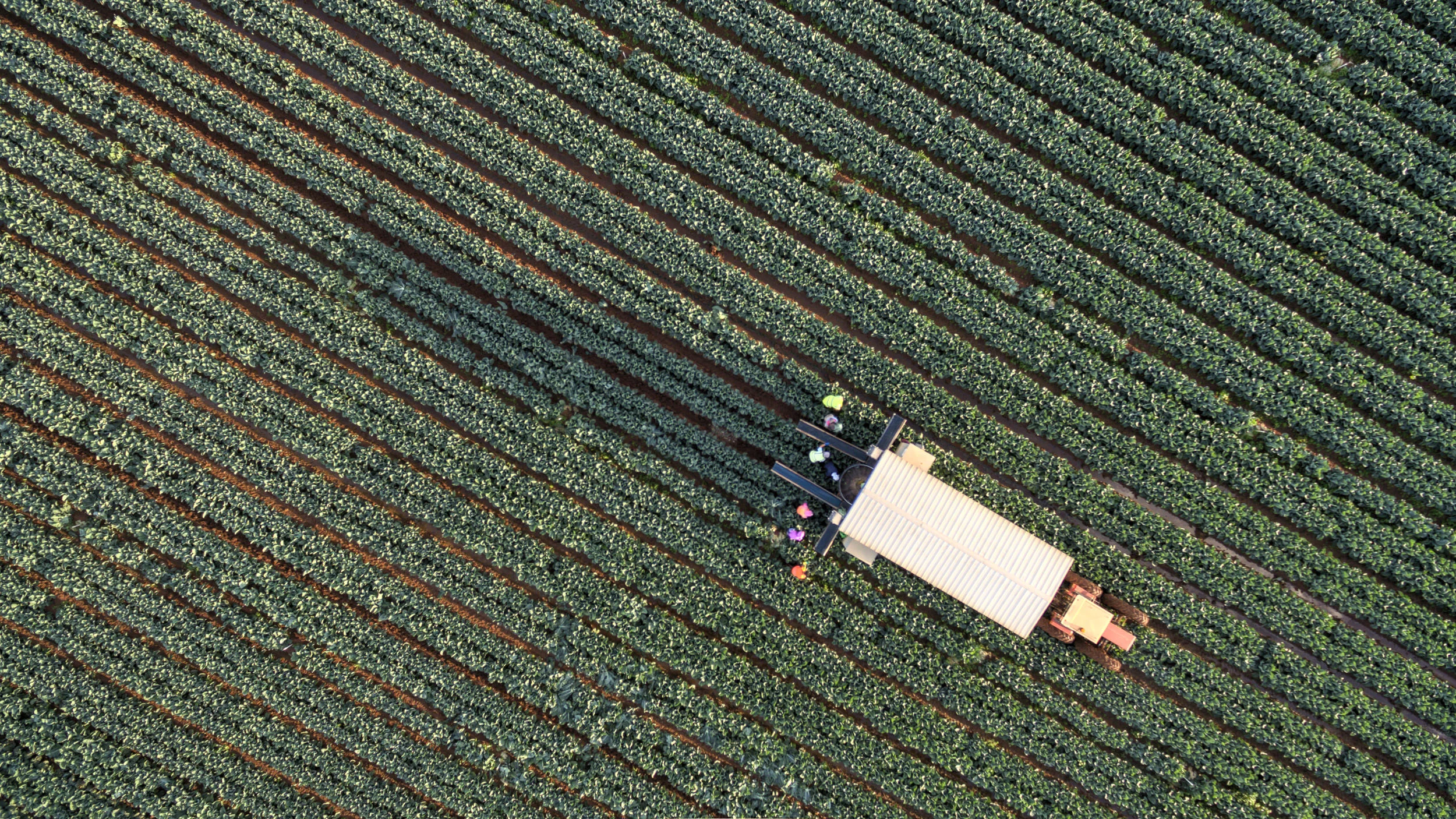
Aerial Landscape, DJI P3P, ISO200, f2.8, 1/200, 31metres


Portrait, Leica Q, ISO200, f5.6, 1/125, reflector from underneath subject


Portrait, Leica Q, ISO400, f7.1, 1/125

Workshop Experience : Photography Studies College Week #6

We are in full swing now as the course gets in to Week 6. This week we covered subject awareness and panning techniques, as well as looking at the concept of The Frame and the principles and elements of design. Enjoy.
Week 6 and the course is in full swing now. Expectations are higher on the amount of shooting we should be doing outside of class and some of us are feeling under the pump in a few areas.
For the Wednesday night session with Scott we kicked off by discussing Subject Awareness and the differences between Interpretative and Representative images. Scott used one of my fellow students images of last week as a good example of interpretative - a factory reflection in a puddle from above, followed by a view of the factory from the puddle location perspective. Nice one!
“The whole point of taking pictures is so that you don’t have to explain things with words.”
We then looked in to a few differing photographers and their use of subject awareness. We looked at Rodchenko and his blending of drama and design through the use of off-axis (tilt) positioning.
We also looked in to Edward Weston and his amazing use of vegetables and shells, shadow and light to produce humanistic sensual forms. Hadn't come across Edward before this and found it really interesting blending of still life and portraiture.
Our image review session this week was simply any 5 images we wanted to submit. I thought I would try and follow the theme of our end result portfolio of 7 images each in the 4 categories of Landscape, Portrait, Still Life and Personal Expression. I ended up submitting the following 2 Landscapes, 2 People shots and a single Still Life attempt.


Everyone is really starting to shoot improved images although you still find yourself going back one step before progressing. Great process though in incremental steps..
We then discussed the panning technique and its value showing movement and pace to images. Our tutor Scott showed us a few he had taken recently and one was a cracking school of fish shot with the head fish crisp and the rest blurred din motion, shot at the local aquarium. Solid work.
And that has now become our assignment for this week - a few random panning shots as good as we can get.
For what it is worth, the general settings to get a good image are the following, but it takes a lot of adjustment and trail and error !
- 1/15 to 1/30 kids moving around (good luck)
- 1/30 to 1/60 for a push bike rider
- 1/60 to 1/125 for a car at slower speed
- and 1/80 to 1/250 for a fast moving car or motorbike etc
- use zone focussing for a rangefinder else single focus point for your quick digital camera
- a pretty wide lens makes it a lot easier - I am using the Q @ 28mm
- set ISO and aperture to get the right EV
- physically try and twist yourself towards where the object is coming from, such that as you pan and they go past you, you end up in a normal balanced stance with your camera
- use single or continuous shot (purists will say only use the single shot!)
- and plan to press the shutter release when the object is directly in front of you for maximum effect, the object being to try an get one aspect of the image sharp whilst the rest is blurred showing motion
- and practise as much as you can - as I need to do !
Then on to the Thursday night sessions where we are exploring the creative and composition areas of art and photography, and this week it was all about The Frame - this little rectangle we photographers try and represent the world we see through.
We talked about the Principles and Elements of Design, where the principles are the concepts behind what we are doing, and the elements are more the tools we use to express it. We focussed on a simplified set of principles, being B.U.R.P.E. :
Balance, the visual equilibrium of the frame
Unity, referring to the coherence of the whole; ties it all together
Rhythm, the timed movement through the space
Proportion, the relative size and scale of all the elements in the frame
Emphasis, the point of focus or interruption; where the viewer is drawn
We then as group discussed the elements of design, with particular focus on :
Placement, Lines, Weight and Cropping
For Placement, we looked at works from Francesca Woodman and Guy Bourdin and discussed the placements of subjects in the frame, be they symmetrical, edge of frame or extreme edge of frame.
For Lines, we discussed the difference of horizontal lines (restful, death, peaceful, etc) versus vertical lines (power, growth, etc). For Weight, we spoke of if the subject is at the bottom of the frame, it implies heavy and if at top, weightless. Alignment refers t the stability of the frame and then finally Cropping is all about whether the frame is Open (more things happening outside of the frame) or Closed (all information is contained within the Frame).
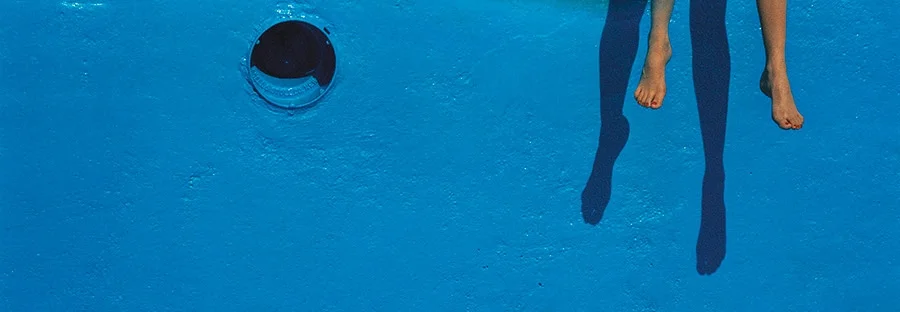
Image by Guy Bourdin
All really interesting and inspiring and gives deep insight in to why some images or a lot better than others!
Our assignment from Lucia for next week is to present in some images that explore these 4 elements of design.

Workshop Experience : Photography Studies College Week #5

Started a new stream of sessions around Composition and Frame this week, along with more Digital Lab time to get the workflow going in the right direction.
Busy busy week this week. Kicked in with an extra stream of a 3 hour/night weekly session that will last for 8 weeks, focussing solely on Composition and Creativity. So its twice a week for September and October we go !
We continued our original stream in the Lightroom digital lab, going deeper into Black and White points, tonal adjustments, and some more detailed catalog techniques. All good refresh stuff and you always pick up some new and helpful tips as you go over ground again. The one thing about LR and catalog techniques is that you can always improve !
We also presented our 3 images that were to show our Awareness Walk - 2 images of perspective and 1 exploring textures. I must say I struggled to interpret even this fairly basic exercise well enough and got lost in the execution a bit... but its all a learning experience and thats what we do workshops for, so onwards and upwards we go.

Awareness Walk Lygon St Carlton, Leica Q, ISO400, 1/250, f3.2,
Our tutor for the additional stream is Lucia Rossi and if the first session is anything to go by, we are all going to be in for a fun and creatively wild ride. Lucia got us from the start talking about Artfulness vs Art, and how we actually clarify what Art is.
Cy Twombly, "The Italians", 1960
We then set about understanding how you go about deconstructing an image (to the point that you wouldn't normally do it to every image you see!). The categories we used to "analyse a frame" are around Form (covering Medium, Style, Design) and Content (covering Literal meaning, Symbolic, and overall Metaphoric).
We practised on a Sandy Skoglund image "Radioactive Cats" which was great and I will not fill out the categories here as there are plenty of interpretative papers on the net exploring this work if you want to follow it up. Needless to say it was great exercise in deconstructing an image that has impact and multiple levels of subjectivity.
Lucia urged us to keep a log and a visual diary of image and ideas that inspire us from now, and that we would then analyse and discuss in the class as we go along. The next 7 weeks will focus one week each on the areas of The Frame, Frameworks, Colour, Shape and Form, Tone and Value, Rhythm and Movement, and Space and the Picture Frame.
Off we go again, this time down the creative and composition path!

Workshop Experience : Photography Studies College Week #4

Week #4 has rolled on and in the technical part we were all about the exposure triangle and DOF indetail. Then we reviewed some random shots for feedback, and we also got our full course portfolio assignment !
This week we all got stuck in to understanding the exposure triangle in more detail, with a particular focus on DOF and Hyperfocal focussing. Control of the focal plane is critical in producing the style of photo that is in your head, and using DOF and Hyperfocal techniques irrespective of the lens you use is paramount.
Its also very handy when you have a camera that has the DOF markings on the lens ! #loveleica
The class then received its overall main portfolio assignment that make sup the main purpose of the course - to produce a 32-40 image portfolio made up of 4 mandatory sections.
The sections are : Landscape/Architecture/Urban Environment, Portrait/People/Animals, Still Life/Nature/Found Objects, and Personal Expression (this section to involve a story with a narrative tying all images together). Broad subjects but we do have a few rules to abide by as well : No Flash, Color only, No HDR, and only allowed to use Lightroom with minimal post editing (basic adjustments and some tone adjustments).
Looks like fun and a challenge. We all have 16 weeks to complete the assignment.
We then submitted some random images for basic feedback, mainly in the area of sharpness and composition.
I submitted the following :
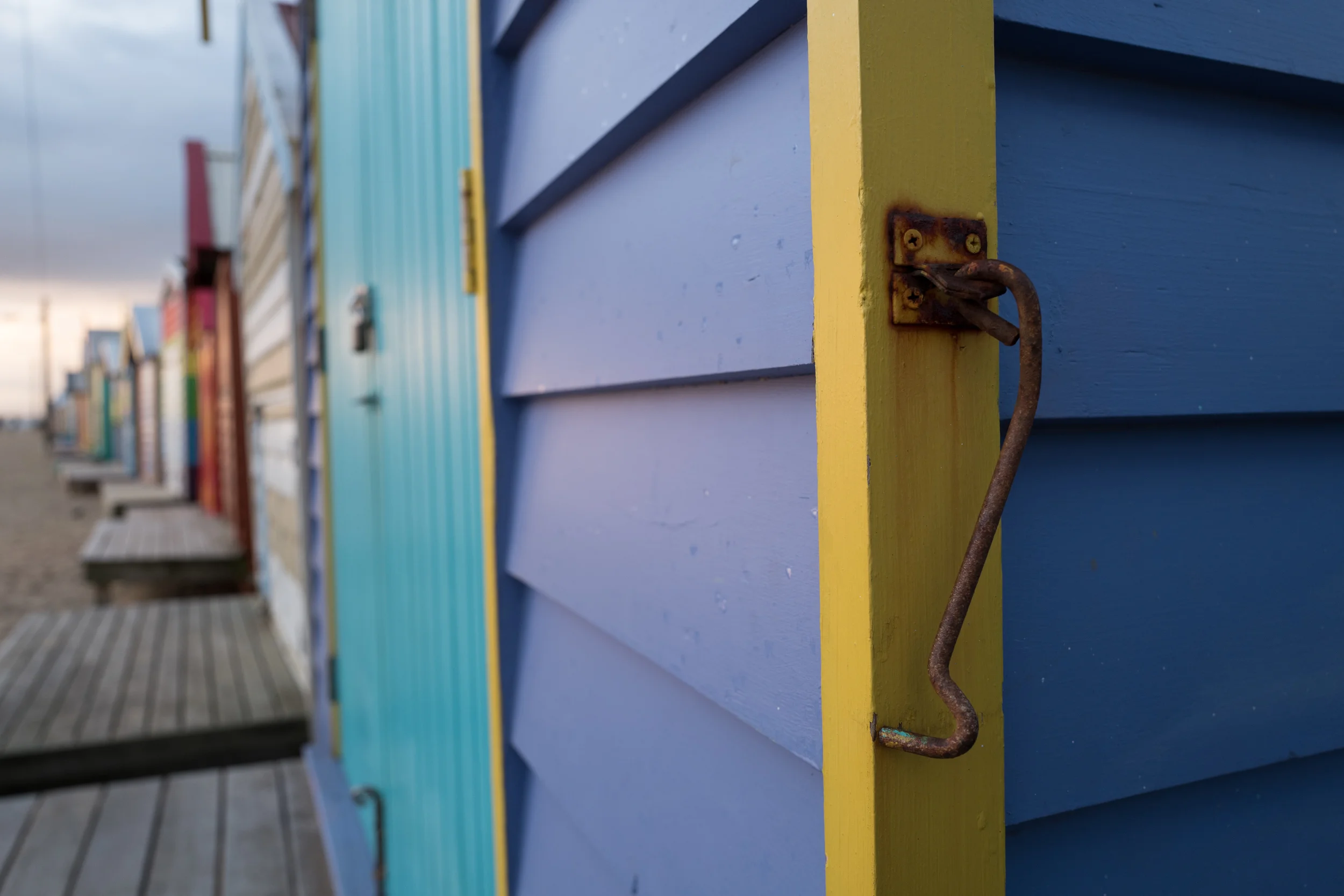

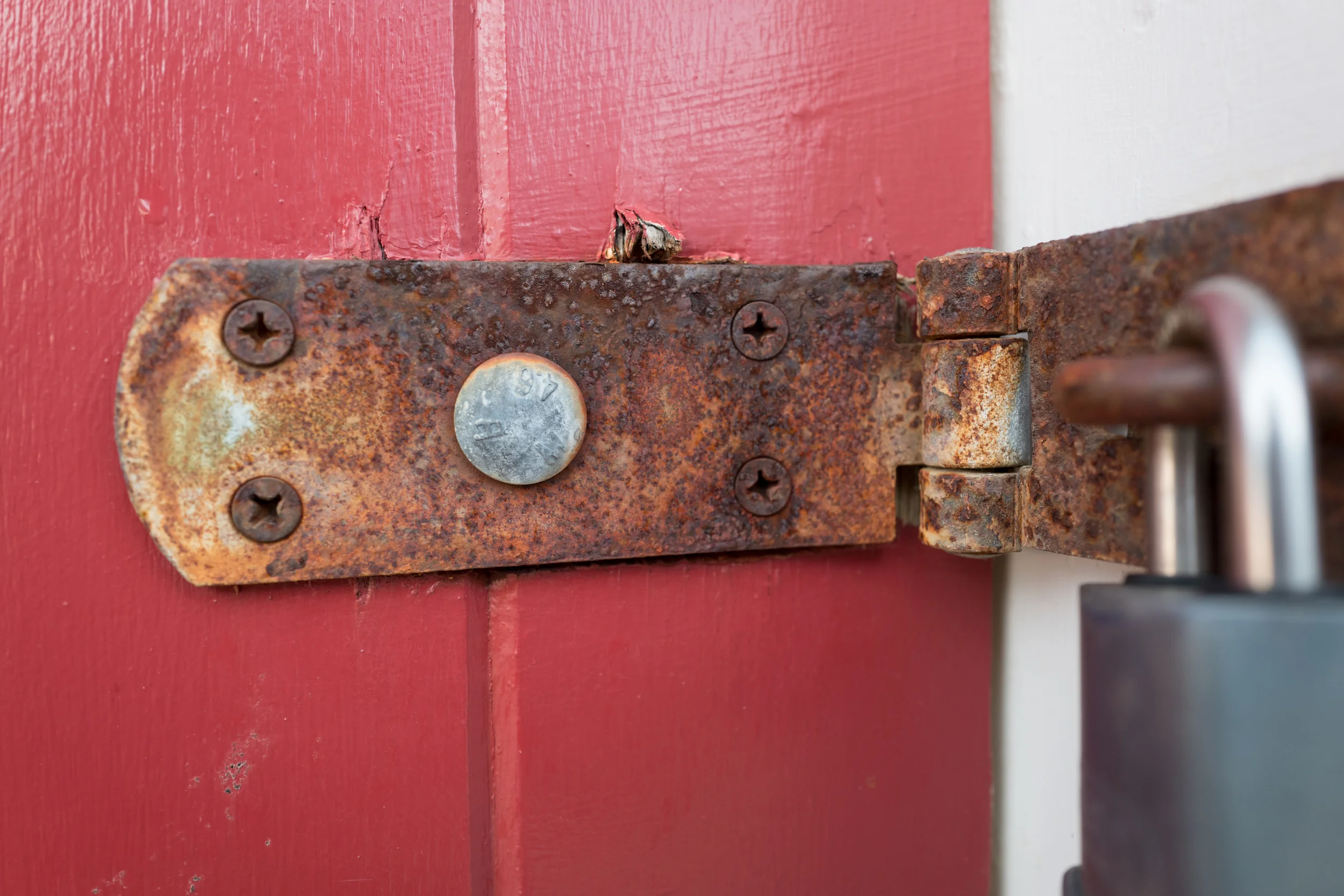

Leica Q, Macro and Normal, Handheld, Straight out of camera converted to JPG only
I was going for a mix of textures and scale with this short series, trying to capture a wider view then focussing in on some detail. Also wanted some strong colors to counter the fact that we couldn't do any post processing. Feedback focussed around the use of color and focus, detailed shots more engaging than the broad ones.
Onwards we go!

Workshop Experience : Photography Studies College Week #3

Week #3 at the PSC course sees us getting in to workflow and reviewing slow shutter speed hand held images.
Well week 3 has rolled on already. Again, still in the "ground setting mode" mainly - this week we all focussed on workflow basics and LR setups etc in the PSC Digital Lab. We also went through some portable hard disk setups for mobile workflows.
Aside from a couple of random public share folder deletions. all went cleanly !
[For me I use Lightroom Creative Cloud and really enjoy its flexibility and structured workflow. There are plenty of great tip sights for Lightroom, as well as many video based learning sites. I always bring in my images as DNG (of course Leica cameras already do that for me); I import into a separate and uniquely named folder under the main heading of each year (e.g. 2014, 2015, etc); I use the date then location as my folder name (e.g. Aug122015-Lygon Street); I apply keywords during import as well as creating smart previews; I then do a quick filter and flag the keepers, delete the non keepers, then set about my editing routines as needed.
Backups of the catalog and the individual folders of keeper images are spread across my two 5 Tbit RAID NAS boxes. I only rename upon export to either Facebook, Instagram, 500px or someones email etc. I also use the handy dandy keyboard overlay for Lightroom found at KB Covers]
All the students then shared their 2 slow shutter (ISO400, 1/4 sec) shots for critique by Scott our tutor. Here are mine.
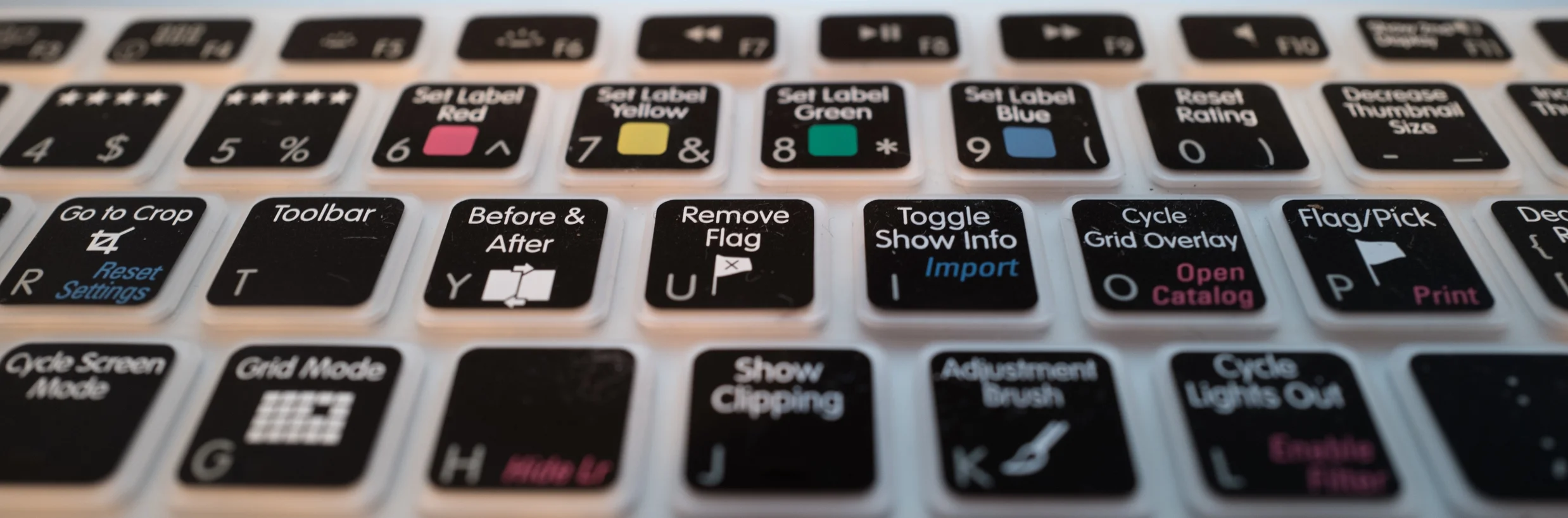
Leica Q, Handheld Standing, ISO400, 1/4, f5, AFocus, Macro, Straight out of camera, cropped
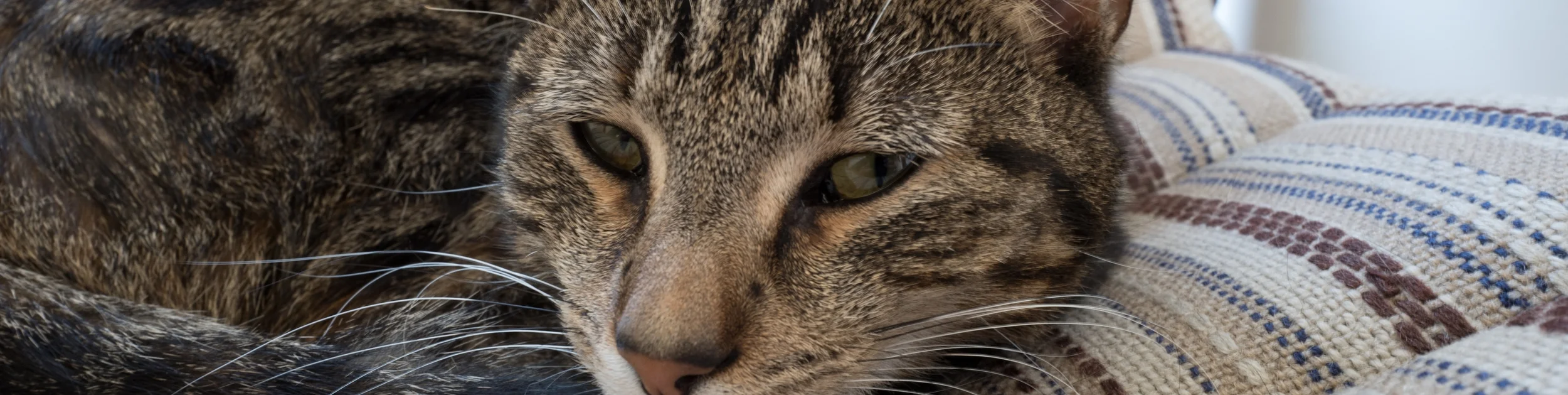
Leica Q, Handheld Sitting, ISO400, 1/4, f14, MFocus, Straight out of camera, cropped
The Leica Q was pretty easy to hold still being a little bigger than a normal 28mm fixed camera. I found it ok to handle.
A good exercise just to remind us how to hold a camera particularly when out and about working at low light. I would probably never see the need to go to a 1/4 sec and looking for a crisp image, but 1/30 1/15 handheld out on the street and getting a crisp image is a good skill to have.
Give it a try and see how you can improve by standing and or bracing yourself at 1/4 shutter.
We also received two assignments to work through. One we have two weeks to complete and that is going out and taking images that capture the "discovery walk" we did week 1.
The second is over the next week submit 5 images of anything for peer and tutor review - I assume thats a sort of benchmarking where we each are such that we can track our own progression as we go through the next weeks.
Out on the streets I go!